
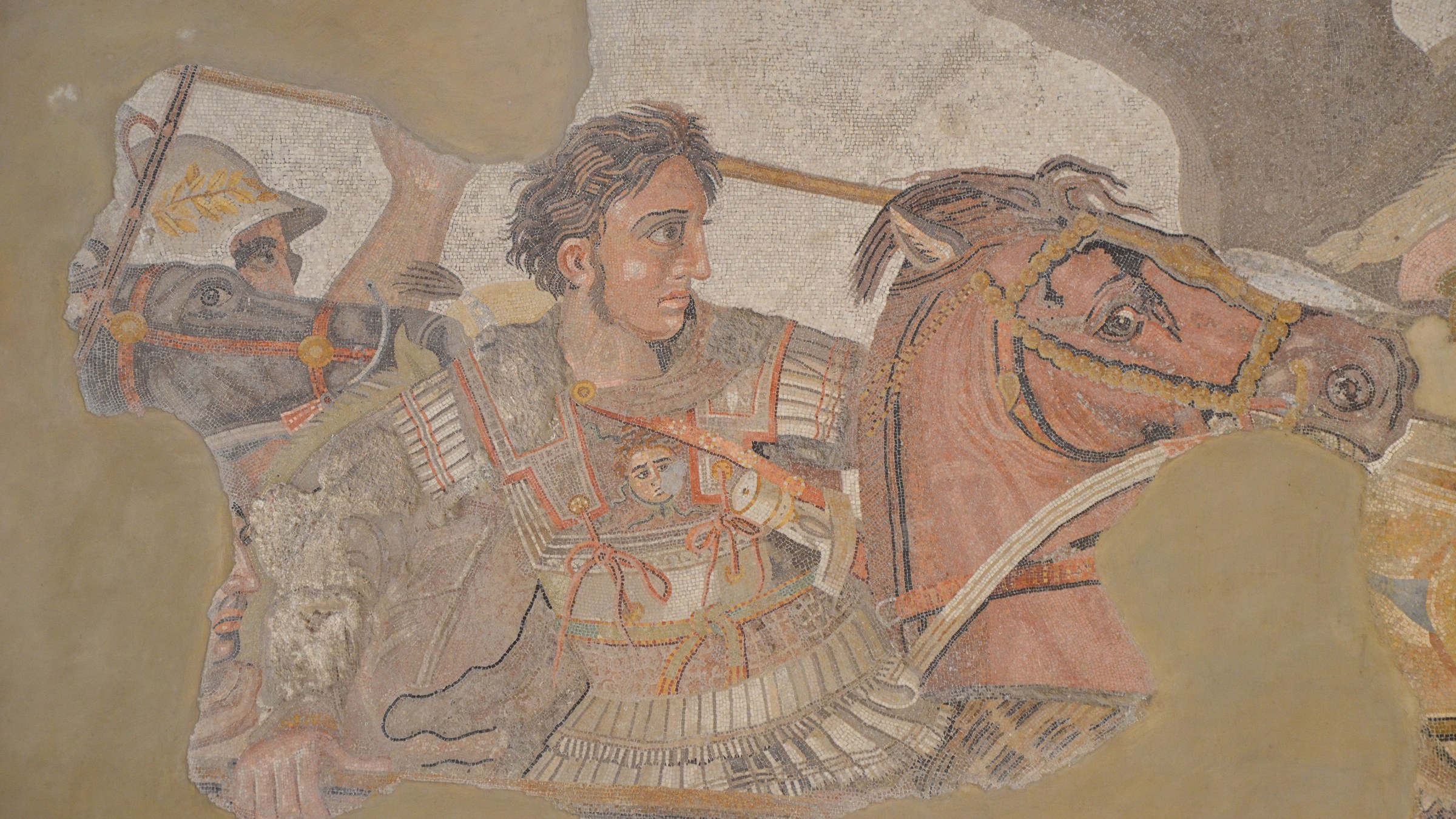
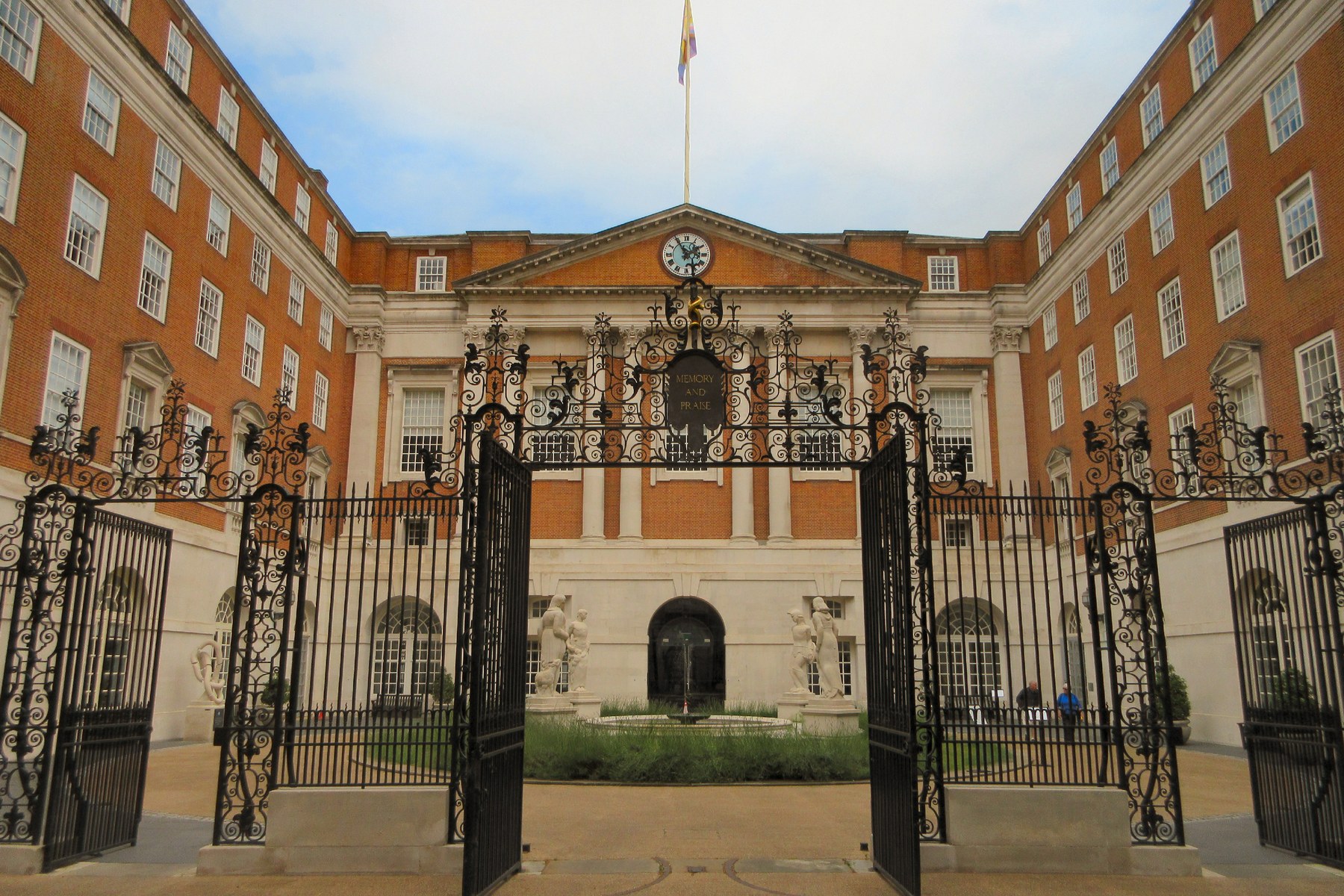
The bookmakers had Patrick Radden Keefe down as the man to beat. In the end, it was a boy from the hills of Macedon who carried the night. On Wednesday evening at BMA House in London, Edmund Richardson, a professor of classics at Durham University, won the £50,000 Baillie Gifford Prize for Non-Fiction for Alexander: God, King, Man, published by Bloomsbury. It is the first time a book of ancient history has taken the prize since it was founded as the Samuel Johnson Prize in 1999.
“Alexander: God, King, Man is non-fiction writing at its very best: a book that, like its subject, can’t stop pressing onward,” said the chair of judges, the broadcaster Kirsty Lang. She called it “blockbuster history with page-turning narrative pull, a cracking cinematic story about the ancient world.”
A disappointing son
The book starts in 336 BC, with a 20-year-old king who has inherited a rickety kingdom, a pile of debts and an army that answers to nobody. Thirteen years later he is worshipped as a living god and dies in Babylon at 32. Richardson spent a decade on it, “far too long, down far too many rabbit holes,” as he put it to the Associated Press, and the research took him from the catacombs of Egypt to the mountain passes of Afghanistan. He worked from sources in 12 ancient languages and leaned on new technology and recent archaeological finds to test what the old historians claimed.
“No one called him Alexander the Great in his lifetime. No one thought he was going to conquer the world”
That is the spirit of the whole book. Richardson’s Alexander is not a marble statue but, in his words, “his father’s slightly disappointing son,” a young man who led his army east to keep hold of power and found himself, almost by accident, at the head of the greatest military campaign in history. His earlier books include Alexandria: The Quest for the Lost City, and in 2016 he was named one of the BBC’s New Generation Thinkers. At 44, this is his first major prize. “It’s one of the greatest honours of my life,” he said.
A strong field, and a timely winner
It was a formidable shortlist. Keefe, who won in 2021 with Empire of Pain, would have been the first author to win twice, with London Falling, his investigation into a teenager’s death in the world of London’s super-rich. Also in the running were Nicholas Boggs’s Baldwin: A Love Story, Anand Gopal’s Days of Love and Rage, about the Syrian revolution, Matthew Sweet’s The Great Dictator, a life of Barbara Cartland, and Andrea Wulf’s The Traveller, about the explorer George Forster. Each of the five takes home £5,000.
The judges called the winner “a love letter to the humanities,” and one of them went further: “At a time when there is so little support for the humanities, I find this a very important read.” With humanities departments in Britain and elsewhere squeezed by funding cuts, that is not a throwaway line. It helps, too, that the ancient Greeks are having a moment. Lang pointed out that fans of Christopher Nolan’s The Odyssey should find plenty to love here.
A word from the desk
We confess to a soft spot for a professor who admits to going down too many rabbit holes. The best history books are written by people who could not stop digging, and this one, by all accounts, reads like a novel without ever pretending to be one. Last year the prize went to Helen Garner’s diaries, this year to a Macedonian king. It is a fine thing when one award can make room for both. With the Booker winner due on Monday, it has been quite a week to be a reader.
News Editorial Desk, Pine Tree Shilling Publishing