
There is no polite way to choose six books out of thirteen, and this year’s Booker judges did not pretend otherwise. On the evening of Tuesday, September 22, on stage at the Southbank Centre in London, the panel revealed its shortlist and then, with some relish, told the audience how they had got there. Dame Mary Beard, the classicist who chairs the panel, called the process “to put it mildly, hard work.” The novelist Patricia Lockwood admitted to “tossing books across the room.”
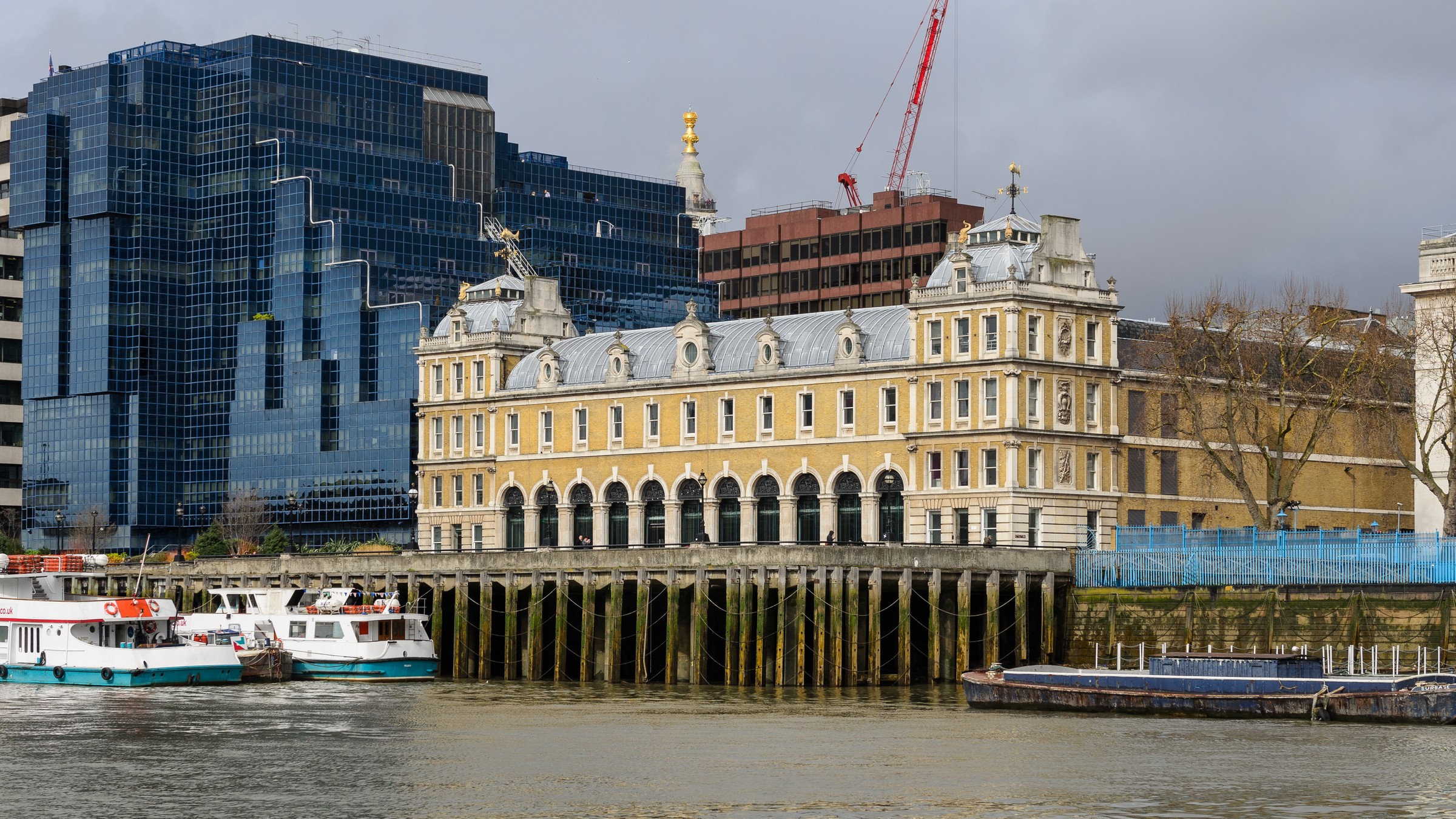
What survived the tussle is a shortlist with two former winners, one debut, and an author who, if he wins, will be the oldest in the prize’s history. The judges began with 163 submissions. The winner receives £50,000 on Monday, November 9, at Old Billingsgate, and each of the six shortlisted authors receives £2,500.
The six
The Disappearers by Marlon James. James won the Booker in 2015 for A Brief History of Seven Killings, and he returns to the same late twentieth century Jamaica: an attack in 1988 on eight gay men rehearsing a play in Kingston, and everything that follows. The New York Times has already called it “the novel of the decade.” Expectations, you might say, are managed.
John of John by Douglas Stuart. The 2020 winner, for Shuggie Bain, sends a young art graduate home to a small, strict religious community in the Outer Hebrides. Father and son are both called John, and both are keeping secrets. The judges found it “surprising, devastating and even joyous.”

The Things We Never Say by Elizabeth Strout. Readers here in Massachusetts will know the territory. A high school history teacher in his fifties, comfortable on paper and adrift in fact, is caught out by a secret around the time of the 2024 election. The judges called it “a calm antidote to contemporary events,” which is about the nicest thing anyone has said about 2024. Strout, a Pulitzer winner, has been shortlisted twice before.
The End of Everything by M. John Harrison. Society has collapsed, aliens have arrived, and a man and his elderly aunt are muddling through on the Kent coast. It is Harrison’s first Booker nomination, at 81. The judges said it could be read as “a thriller, a mystery, a satire, a dystopia, a road novel, a work of realism,” and admitted to laughing aloud.
Black Bag by Luke Kennard. An out-of-work actor takes a part in a professor’s experiment: he must attend a term of psychology lectures zipped inside a large black bag. It is a campus comedy with a good deal to say about modern masculinity, and the judges promised “something for everyone.”
May We Feed the King by Rebecca Perry. The only debut on the list, by a poet who was once a competitive trampolinist. A museum curator recreating a scene in a historic palace falls into the life of a young, reluctant medieval king. The judges called it “an affecting and lush jewel of a novel.”
“These books, we truly believe, cannot be replicated by artificial intelligence”
A panel with opinions
Beard is joined by the poet Raymond Antrobus, the critic Rebecca Liu, Lockwood, and Jarvis Cocker of Pulp, who read some of the entries on tour and once joined a meeting from a hotel room in Australia at two in the morning, in a dressing gown. He compared judging to being in a band. “No-one’s in control of it,” he said, “and you make a good noise together.”
Antrobus made the remark that will travel furthest. What connects the six, he said, is that they took risks, and are “very human books.” In a year when publishers are still counting the cost of AI, that is not a throwaway line.
A word from the desk
We will not pretend to be neutral about a list that puts a Massachusetts novel beside a Hebridean one. Our honest guess is that it lies between James and Stuart, with Strout as the quiet outsider. But this is the Booker, and the Booker likes nothing better than to prove the guessers wrong. We will be watching on November 9.
News Editorial Desk, Pine Tree Shilling Publishing