
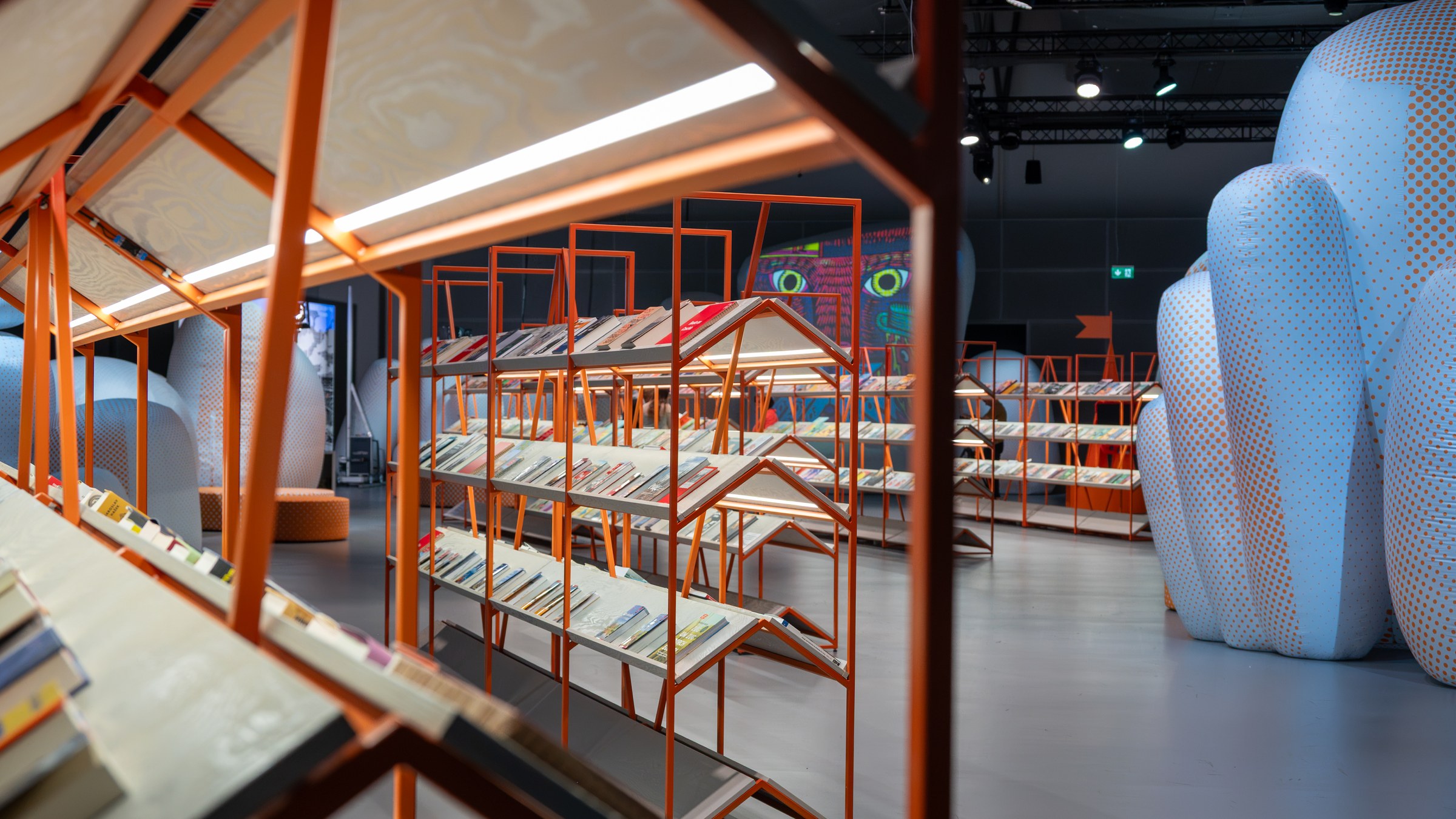
Every October the book world packs its bags for Frankfurt, and every October it goes home worrying about something new. This year it was artificial intelligence, again, and the reading habits of the young. Even so, the 78th Frankfurt Book Fair closed on Sunday in good heart. It drew 236,000 visitors from 137 countries, almost exactly as many as last year, with 4,000 exhibitors and more than 3,800 events across the fairgrounds and the city.
The numbers split almost evenly between the trade, 119,000 of them, and 117,000 members of the public. More countries sent publishers than in 2025, with Greenland, Eritrea, Namibia and Bermuda among the newcomers. The halls had been rearranged so that each one has a clear theme, and the change seems to have gone down well. “More space, less congestion,” said Jo Lendle of the publisher Hanser, who felt the fair had taken “a huge step towards becoming a literary festival.”
A landlocked country on the coast
The Guest of Honor was Czechia, which has no coastline at all and chose the motto “A Country on the Coast” anyway. That is rather a Czech joke, and a good one. Its 2,300-square-meter pavilion was filled with soft inflatable shapes, a lighthouse and interactive buoys, with a robot helping to make artworks on site. Seventy-five Czech authors came to Frankfurt, among them Radka Denemarková, Jáchym Topol and Kateřina Tučková, for more than 100 events. Since 2024, well over 100 Czech books have appeared in German for the first time as part of the program.
The trade halls, meanwhile, talked of little else but AI and audio. Spotify used the fair to announce an expansion of its audiobooks into 180 new markets, and Audible presented a survey of 18,000 listeners in 11 markets. Over the weekend the public had the Festhalle for romance and fantasy, a new stage for manga and cosplay, and authors such as Colson Whitehead, Jenny Erpenbeck and Cornelia Funke to queue for.
“Silence is not the way. Not for a family. Not for a community. Not for a country”
The last word in the Paulskirche
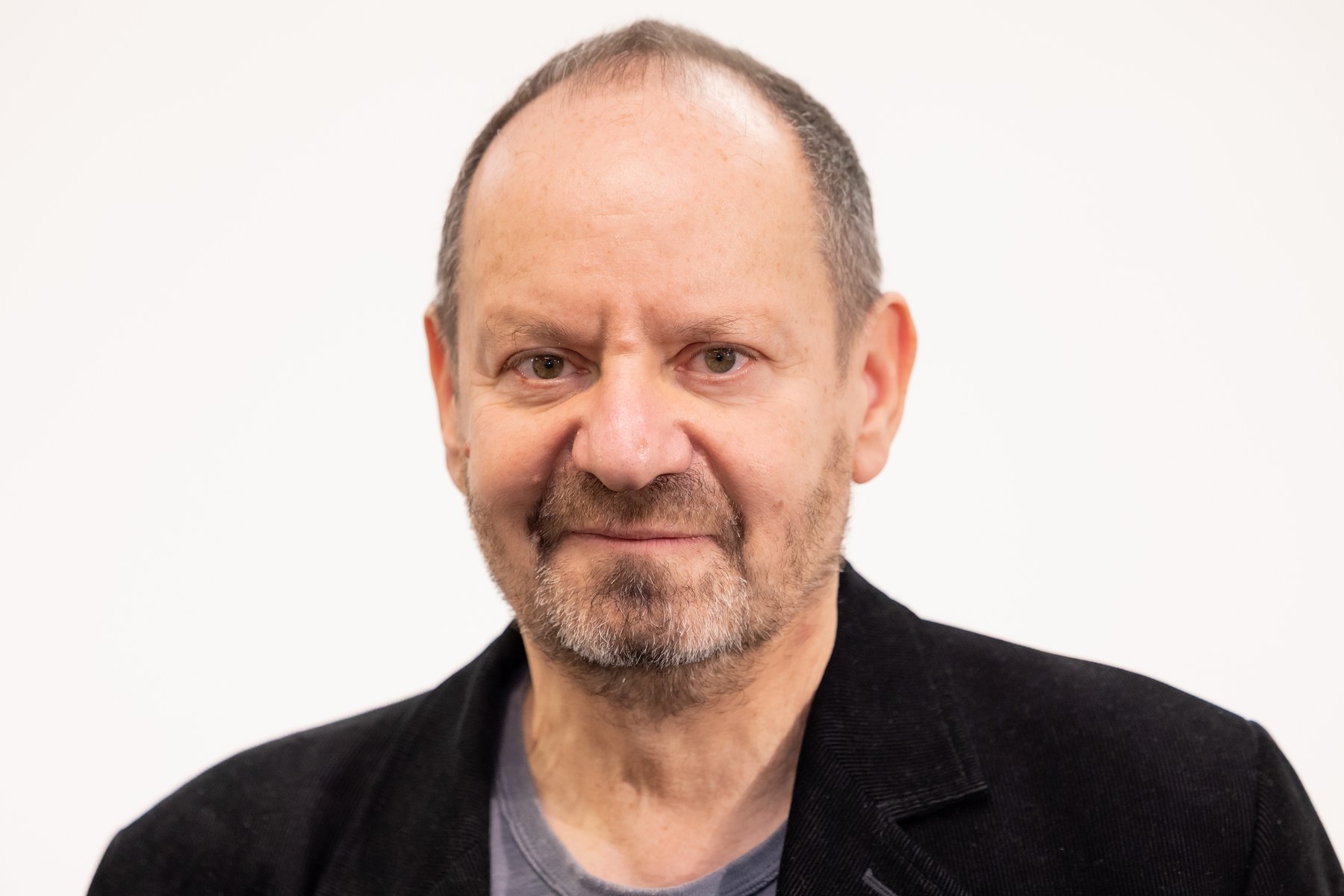
As always, the fair ended in the Paulskirche with the Peace Prize of the German Book Trade, which this year went to Philippe Sands, the French-British international lawyer and author of East West Street. About 700 guests came, including President Frank-Walter Steinmeier. The prize has been awarded since 1950, to Albert Schweitzer, Astrid Lindgren, Václav Havel, Susan Sontag, Margaret Atwood and Salman Rushdie among others, and it comes with €25,000.
Sands called his speech “The Albatross of Silence,” and he did not mince his words. “Peace requires justice. Justice requires rules. Rules require law,” he said, and laws must apply “universally, not selectively.” He also turned, briefly but pointedly, to his hosts and to what he sees as German reticence over Gaza and the West Bank. It was not the easiest thing to say in that room, and he clearly knew it. The speeches will be published by Reclam on November 11.
A word from the desk
Frankfurt is a trade fair first and a festival second, but the line gets blurrier every year, and on this evidence nobody much minds. Next October the guest of honor is Chile. We are already curious what the Chileans will make of the coast.
News Editorial Desk, Pine Tree Shilling Publishing