
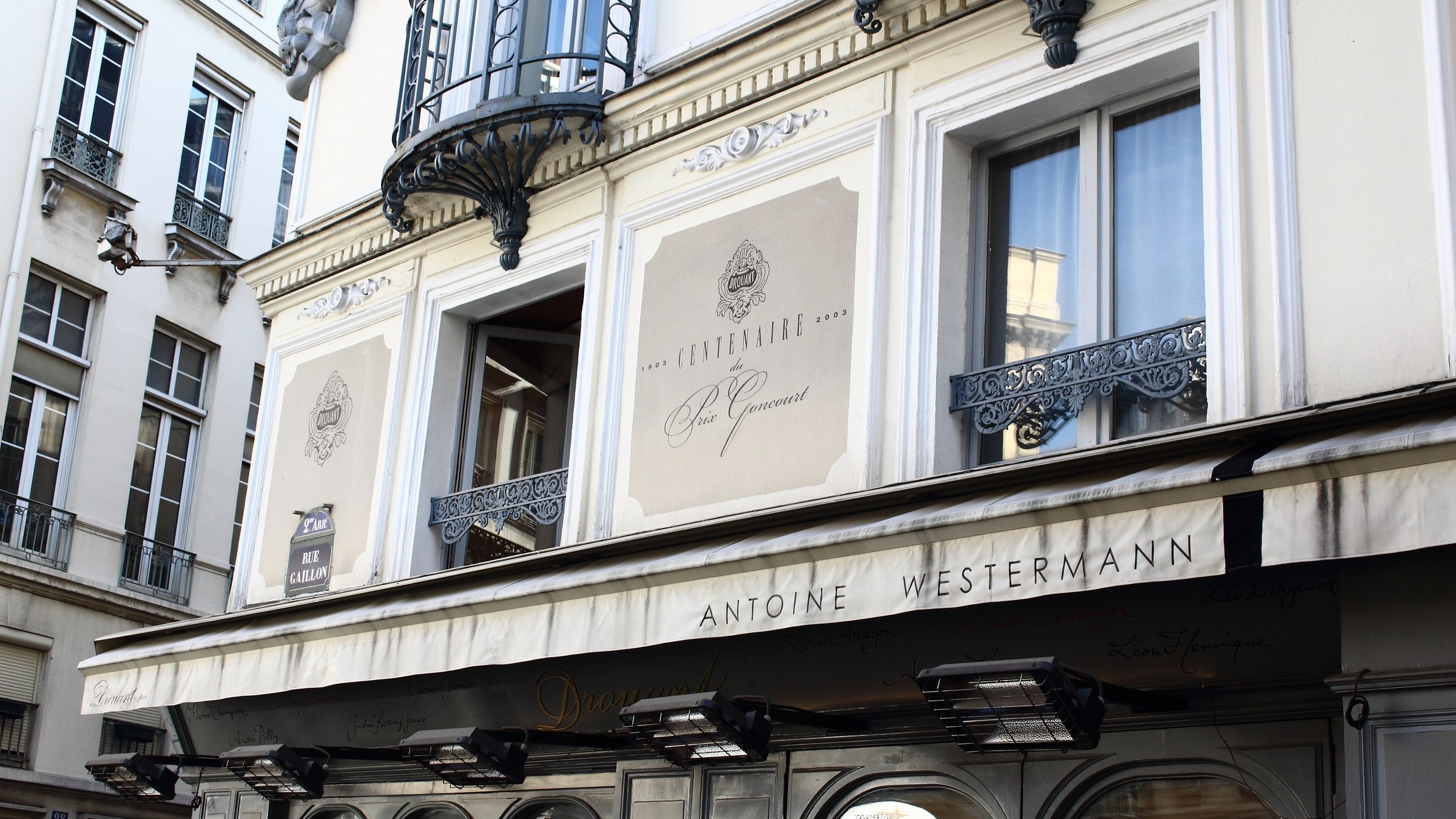
At around one o’clock on Tuesday, November 3, Philippe Claudel stepped onto the steps of the Drouant restaurant in Paris and read out the name everyone had half expected. The 124th Prix Goncourt went to Philippe Jaenada for L’Inconnue du quai de Javel (Flammarion), chosen on the first ballot by six votes to three over Sylvain Prudhomme’s De l’autre côté du lac (Minuit). The prize itself is a check for ten euros. The red band that now goes around the book in every French bookstore is worth rather more, usually several hundred thousand copies.
Jaenada, 62, beat a final four that also included Yannick Haenel and Clémentine Mélois. “For me it is a culmination, it is an honor,” he told reporters, adding that he would like to get back quickly to his “peaceful, motionless, isolated life, writing.” He does not own a mobile phone, and he will not be short of callers this week.
A model on the banks of the Seine
The book is his 17th, and it is another of the long, digressive true crime investigations that have won him a loyal readership since Sulak in 2013. In September 1949 the body of Louise Cansot, a 29-year-old woman from Brittany who had come to Paris and become a model for the painters of Montparnasse, was found on the banks of the Seine. Nobody was ever charged. Jaenada goes through the police files, walks the streets where she lived, and tries the methods of Simenon’s Inspector Maigret on a trail 77 years cold. “He makes visible a woman who had been made invisible,” Claudel said, “a young victim the police did not much bother about.”
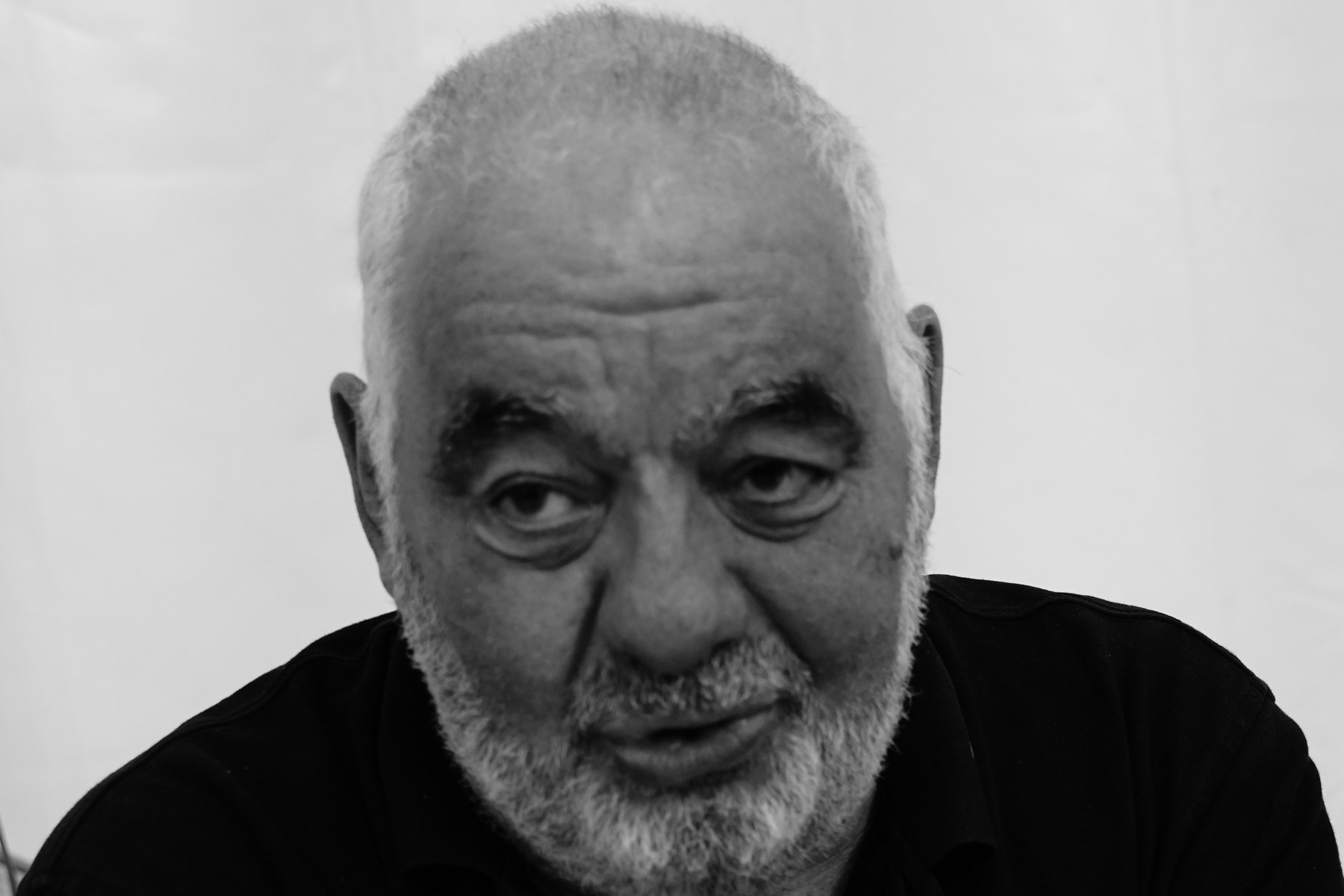
He has done this before. La Serpe, his account of a triple murder in a Dordogne château in 1941, for which the young Henri Girard, later the author of The Wages of Fear under the name Georges Arnaud, was tried and acquitted, won the Prix Femina in 2017. Jaenada succeeds Laurent Mauvignier, who won last year with La Maison vide.
The shadow over the season
This was not an ordinary rentrée. In early September the Académie put C’était ça ou mourir, a novel by the Canadian-Haitian writer Thélyson Orélien, on its first list, and the book was soon among the favorites. Then an anonymous account on X ran it through an AI detector, and on Friday, September 25, the jury withdrew it, though not unanimously, citing past plagiarism and the “converging” findings of researchers and journalists. Other major prizes followed. Orélien said he had used AI only for historical research and that “not a single sentence of this book was created by a machine.” On October 21 his Montreal publisher, Boréal, ended their partnership, saying an outside analysis had found traces of AI in the metadata of his working drafts.
Claudel says the Académie will change its rules before the end of the year, to spell out that the Goncourt rewards “a work written by a human being.”
Three times, and one hidden sentence
Which made Wednesday morning rather awkward. On France Inter, Jaenada said cheerfully that he had used ChatGPT three times while writing the winning book. Once it helped with technical research. Once he quoted one of its absurd answers about a technical detail so he could poke fun at it. And once, “to play with the reader,” he slipped a sentence written by ChatGPT into the text. He told only the nine jurors where it is. “If it gets out,” he joked, “I’ll know who it came from.” The research help, at least, was never a secret: in a few pages of the novel he describes asking the machine for help with his inquiry.
“We can’t pretend it doesn’t exist. We have to use it, admit it, tame it, and not let ourselves be replaced”
A busy week at the restaurant tables
At Drouant on the same day, the Renaudot, now in its hundredth year, went to François-Henri Désérable for Le Palais (Gallimard), the story of a young outcast who takes his revenge through an expert knowledge of wine, by six votes to four over David Djaïz. On Monday the Médicis went to Philippe Vasset for Dans les grandes lignes (Flammarion), an account of following France’s high-voltage power lines on foot, which he called “such an improbable book.” And on Wednesday Haenel had his consolation. The all-female Femina jury, founded in 1904 to protest against a Goncourt it thought misogynist, gave him its prize for La solitude des professeurs est infinie (Gallimard), drawn from his years teaching in difficult suburban schools. With high school students still protesting in the streets, he dedicated it to teachers and their pupils.
A word from the desk
There is something rather French about a jury that throws out one book for using a machine and crowns another whose author owns up, with a wink, to a little of the same. The difference, it seems, is honesty. Jaenada told the jury, put it on the page and laughed about it, and the judges plainly decided that a writer who spends years in police archives for one dead model has earned the benefit of the doubt. We would only ask, very politely, that someone tell us which sentence it is.
News Editorial Desk, Pine Tree Shilling Publishing