
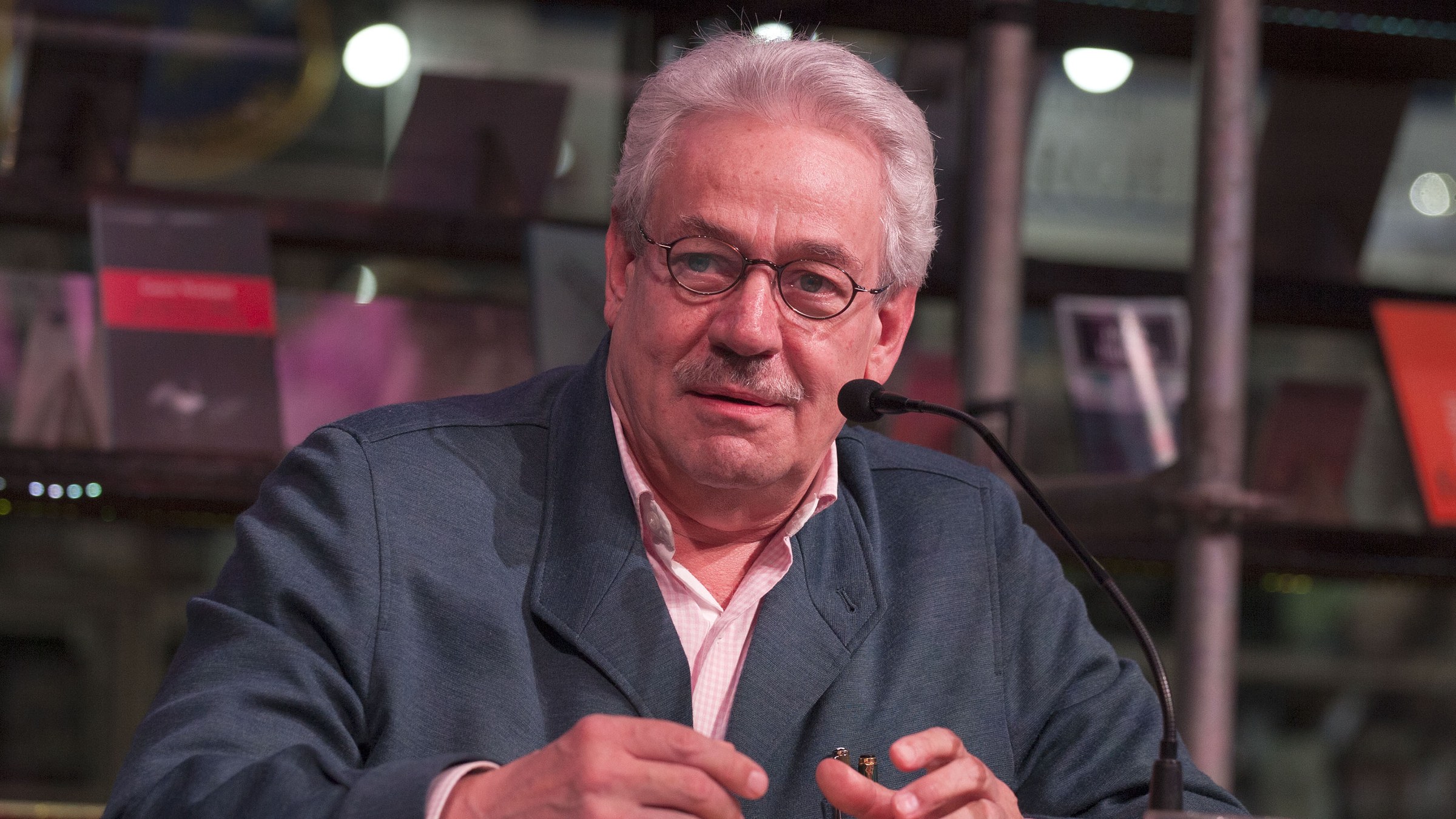
Gonzalo Celorio was the last of twelve children to say goodbye to their dying father. “You will get there, son,” his father told him. “If you can’t, I’ll push you.” On Thursday, April 23, in the Paraninfo of the University of Alcalá, the Mexican writer began his acceptance of the Cervantes Prize by answering him: “Today I made it, Dad, today of all days, 64 years later.” It was, by some distance, the most moving opening line we have heard at a prize ceremony this year.
The Cervantes is the highest honor in Spanish-language literature. It is awarded by Spain’s Ministry of Culture, carries €125,000 and is presented each year on April 23, the anniversary of Cervantes’ death in 1616. Celorio, 78, received it from King Felipe VI and Queen Letizia. Officially, it is the prize for 2025, as the jury chose him last November, and he is the seventh Mexican to win it since Jorge Guillén became the first laureate in 1976.
Cervantes, watching sideways
As tradition requires, the speech was largely about Cervantes, and Celorio made him sound like a colleague who drops by the office. “Out of the corner of his eye, Miguel de Cervantes keeps watch over my writing from the head of my desk,” he said. What he admires most is the humor. He quoted Julio Cortázar’s line that a sense of humor has dug more tunnels through the earth than all the tears ever shed upon it, and argued that through comedy Cervantes lays bare a human condition forever torn between the ideal and the plain, unvarnished reality.
He praised Cervantes, too, for refusing to keep literary genres in separate boxes. Don Quixote is a book of chivalry that mocks books of chivalry, and finds room for poetry, sermons, essays and criticism. Celorio, whose own novels draw heavily on memory and family history, made a spirited case for that kind of mixing and for what he calls the literature of the self. The novel, he said, is not only a literary genre but a “libertarian” one, and freedom meant “the sovereignty of the individual in the face of authority.”
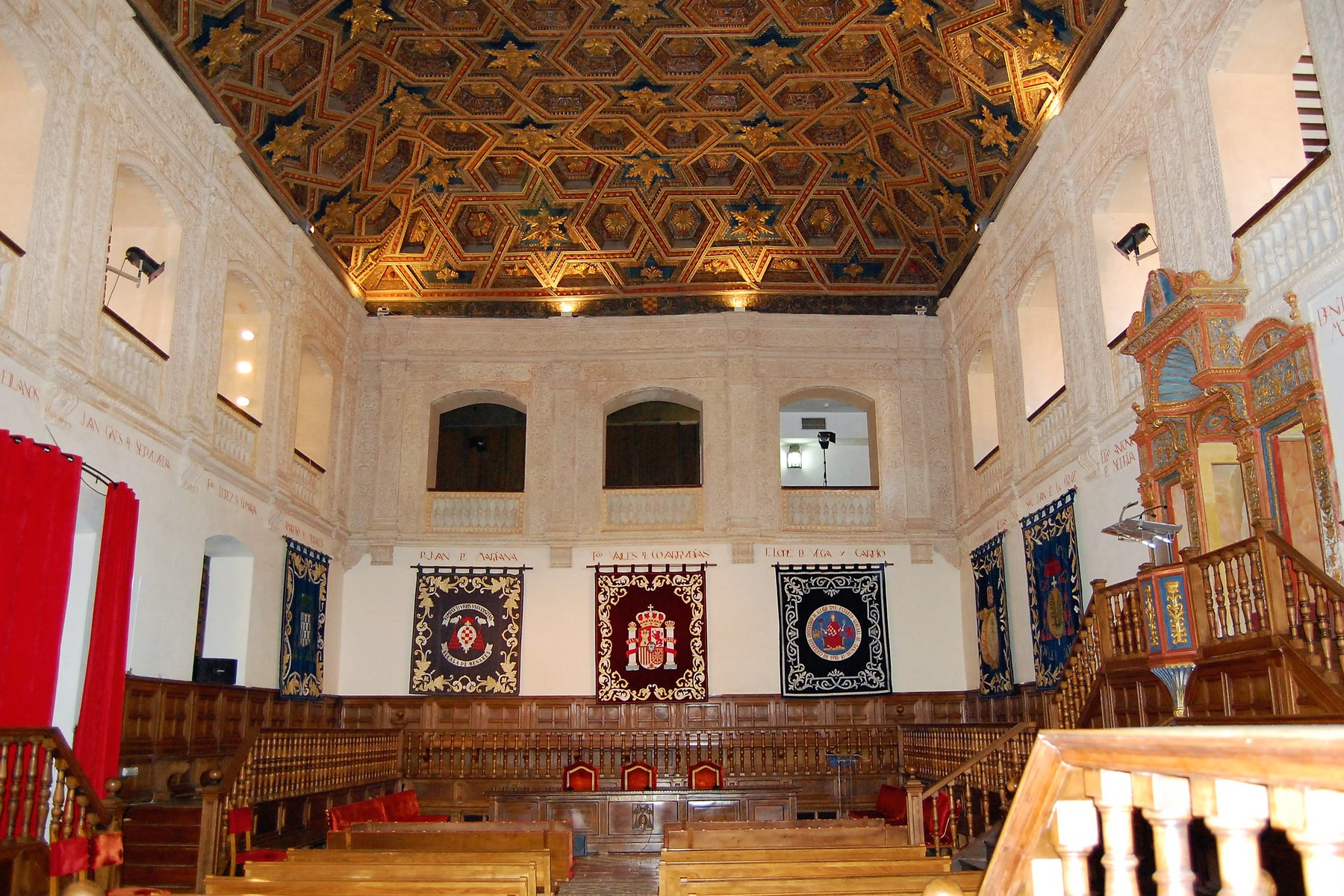
There was a gentle message for both sides of the Atlantic as well. “Mexican nationality cannot be separated from the history and culture of Spain,” Celorio said, and without the Spanish language, neither Mexico nor any other Spanish-American country could have formed its nationhood. Mexico, he added, borrowing a phrase from Carlos Fuentes, is a substantial part of “the territory of La Mancha.” The King replied in kind, calling the two countries “more than sister nations.”
“When someone asks me which word I like best, I answer that it is the word ‘word’”
A life spent on the word
Born in Mexico City in 1948, Celorio is a novelist, essayist and chronicler, and has taught Spanish-American literature at the National Autonomous University of Mexico for decades. He has also run Mexico’s great state publisher, the Fondo de Cultura Económica, and served as director of the Mexican Academy of Language. His best-known books include the novels Amor propio, El viaje sedentario and Y retiemble en sus centros la tierra, El metal y la escoria and Mentideros de la memoria. In recent years he has drawn more and more on the story of his own family, with roots in Spain and Cuba. “I have devoted my whole life to the word,” he said, as a writer, as a teacher and as an editor.
He ended with his mother, a voracious reader, who once promised the Virgin that she would give up novels for five years if her sick son were saved. It was, he said, “the greatest sacrifice she could offer.” We suspect there were a few damp eyes among the royal party.
A word from the desk
A father’s promise, a mother’s sacrifice and a lifelong love of one small word: Celorio gave Alcalá a speech that was really a family memoir, which seems exactly right for a man who has made memory his subject. We hope English-language publishers were listening.
News Editorial Desk, Pine Tree Shilling Publishing