
The International Prize for Arabic Fiction is usually handed out in Abu Dhabi on the eve of the city’s book fair, with a dinner and a good deal of ceremony. This year the fair was postponed, so on Thursday the news came by livestream instead, and it went to Algeria. Said Khatibi won the 19th edition of the prize for “Ughalib Majra al-Nahr”, published by Hachette Antoine, which the prize calls “Swimming Against the Tide” in English.
Mohamed Elkadhi, the Tunisian critic who chaired the judges, announced the winner and said the decision had been unanimous. The book was chosen from 137 novels published in Arabic between July 2024 and June 2025. Khatibi receives $50,000 and funding for an English translation, and each of the six shortlisted writers takes home $10,000. He is only the second Algerian to win, after Abdelouahab Aissaoui in 2020.
A crime, and a much larger one
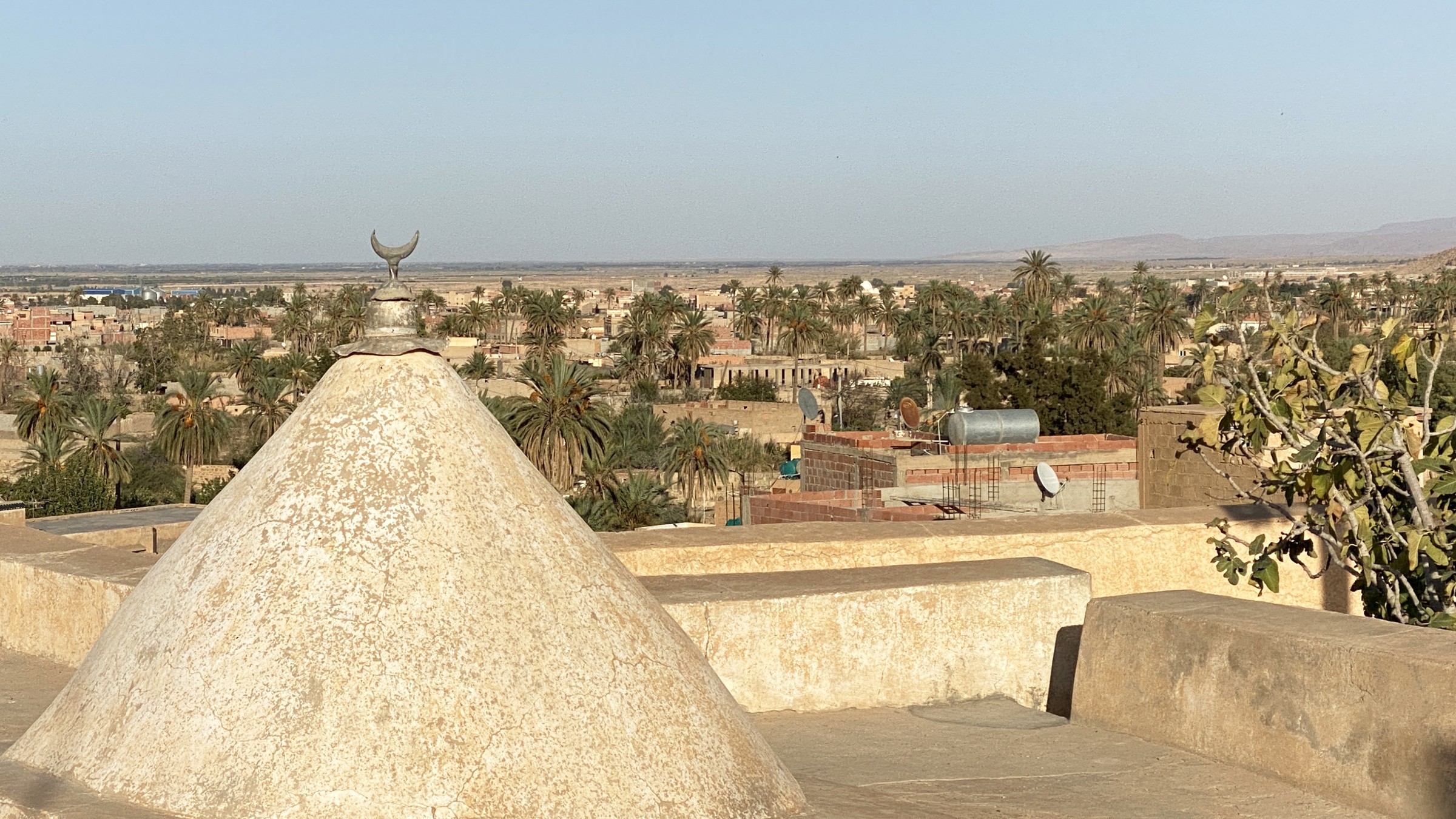
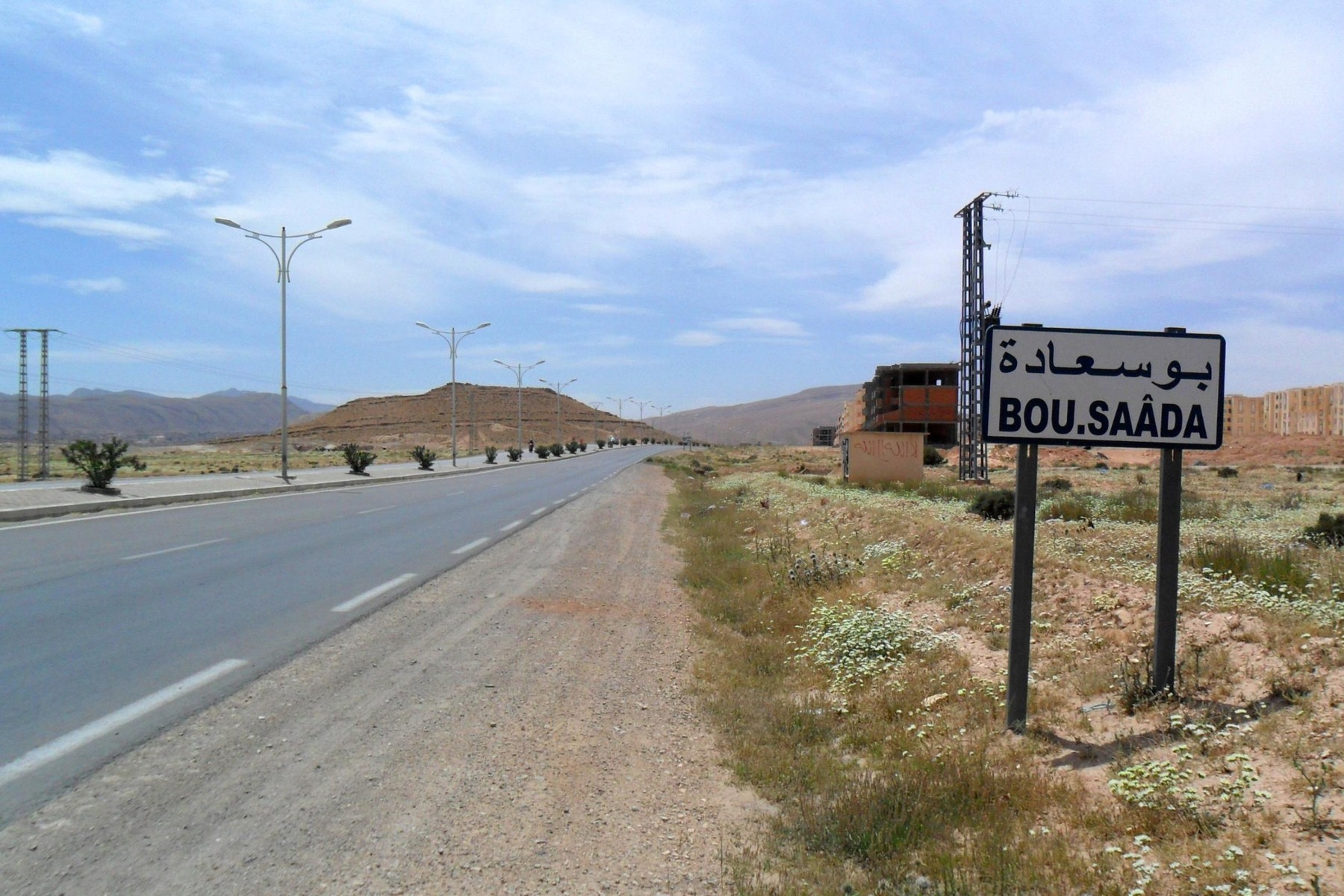
The novel opens in Bou Saada, the oasis town where Khatibi was born in 1984, in the spring of 1990. Aqila Toumi, a respected eye doctor, is accused of poisoning her husband, Makhlouf, who runs a hospital morgue. The couple, it turns out, had been stealing corneas from the dead to sell in her clinic. As she is questioned, the story widens into half a century of Algerian history, from the Second World War through the war of independence, while across town a group of old resistance fighters try to clear their names of false charges that they collaborated with the French.
Elkadhi praised the balance between “the demands of a complex plot and the depth of the psychological analysis of the characters”, and said the book does not stop at describing the past but “draws the outlines of the future.” Khatibi, for his part, said the mystery at the start is a door into something bigger. “In reality, it is a crime against a country,” he told The National a week later. The novel is set a month before the elections that came just ahead of the civil war of the 1990s, and he says his question was not what happened, but why.
A writer between languages
Khatibi studied French literature at the University of Algiers and cultural studies at the Sorbonne, has worked as a journalist since 2006 and now lives in Slovenia. He grew up in a house full of French books, with a father who did not read Arabic, and he says that is exactly why he fell for the language. He learned it as a teenager partly through the love poems of Nizar Qabbani, which, he admits, were mostly useful for impressing girls at school.
“When I write, I feel I am fighting against amnesia”
This was not his first brush with the prize. “Firewood of Sarajevo” was shortlisted in 2020 and is available in English in Paul Starkey’s translation. His novel about the Swiss traveler Isabelle Eberhardt won the Katara Prize in 2017, and “The End of the Sahara” won the Sheikh Zayed Book Award for young authors in 2023. That one came out in English this February from Bitter Lemon Press, translated by Alexander Elinson. The rest of the shortlist was Ahmad Abdulatif, Najwa Barakat, Doaa Ibrahim, Diaa Jubaili and Amin Zaoui.
The nicest message after the win, he said, came from a women’s book club in a village near Algiers, who had been reading the novel and celebrated with halwa. He also hopes the prize will help other Algerians who choose to write in Arabic, in a country where, as he puts it with some feeling, there are more football stadiums than libraries.
A word from the desk
A crime novel that turns out to be about a whole country is a hard trick to pull off, and the judges clearly thought Khatibi had done it. We rather like a winner who would sooner talk about a village book club than his prize money. Now for the translation, which cannot come soon enough.
News Editorial Desk, Pine Tree Shilling Publishing