

Jeffrey Archer always knew how to time an ending. On Sunday, October 4, he was on stage at the Leicester Square Theatre in London with his old friend Gyles Brandreth, playing to a sold-out house and signing books for hundreds of fans. The next day, HarperCollins announced that he had died “suddenly and peacefully at home,” at 86, “between writing sessions.” On the Tuesday, his final novel, Adam and Eve, went on sale around the world. Within a week it had gone straight to No. 1 on the Sunday Times hardback fiction chart.
This weekend the book finds its moment. Adam and Eve opens on November 11, 1918, “as the guns of the Great War fall silent,” and Britain marks Remembrance Sunday on November 8, with Armistice Day itself the following Wednesday. Plenty of readers will be wearing a poppy with the book tucked under their arm.
A shepherd’s son and an earl’s daughter
The novel is pure Archer. Two babies are born on the day the First World War ends, Eve the daughter of an earl who wanted a son to inherit his estate, Adam the son of a shepherd who wanted a daughter because he knew a boy would be sent to war. The story runs from the Norfolk Broads to the beaches of Dunkirk and turns on a single September night in 1940. Fans of Kane and Abel will recognize the shape at once: two lives, two classes, one long collision. Archer said it had “proved the most satisfying thing I have ever written,” and he announced in January that it would be his 31st and last novel.
“It’s extraordinarily bittersweet to see Adam & Eve hit the Sunday Times No. 1 spot,” said Kate Elton, the chief executive of HarperCollins UK and his editor. “I’m just desperately sad that he’s not here to share this moment.”
“Wherever the next page turns to, I trust there will be champagne and Shepherd’s Pie in abundance”
Plot twists, on and off the page
His own life read like one of his thrillers, and he would have been the first to say so. He was a Conservative member of Parliament at 29, nearly bankrupt by his mid-30s after a bad investment, and wrote his way out of trouble with Not a Penny More, Not a Penny Less (1976). Kane and Abel followed in 1979, and over five decades his books sold some 300 million copies. He rose to deputy chairman of the party under Margaret Thatcher and was made a life peer by John Major in 1992.
Then came the fall. A bid to become London’s first elected mayor collapsed in 1999 over evidence that he had lied in a 1987 libel case, and in 2001 he was jailed for four years for perjury. He served just over two, and turned the experience into the three volumes of A Prison Diary, Hell, Purgatory and Heaven. He went back to the House of Lords, where he sat until 2024. Kemi Badenoch, who said he had texted her on the day he died, put it simply: “He did serve his time, he made amends, and he wanted to do a lot of good in the world.”
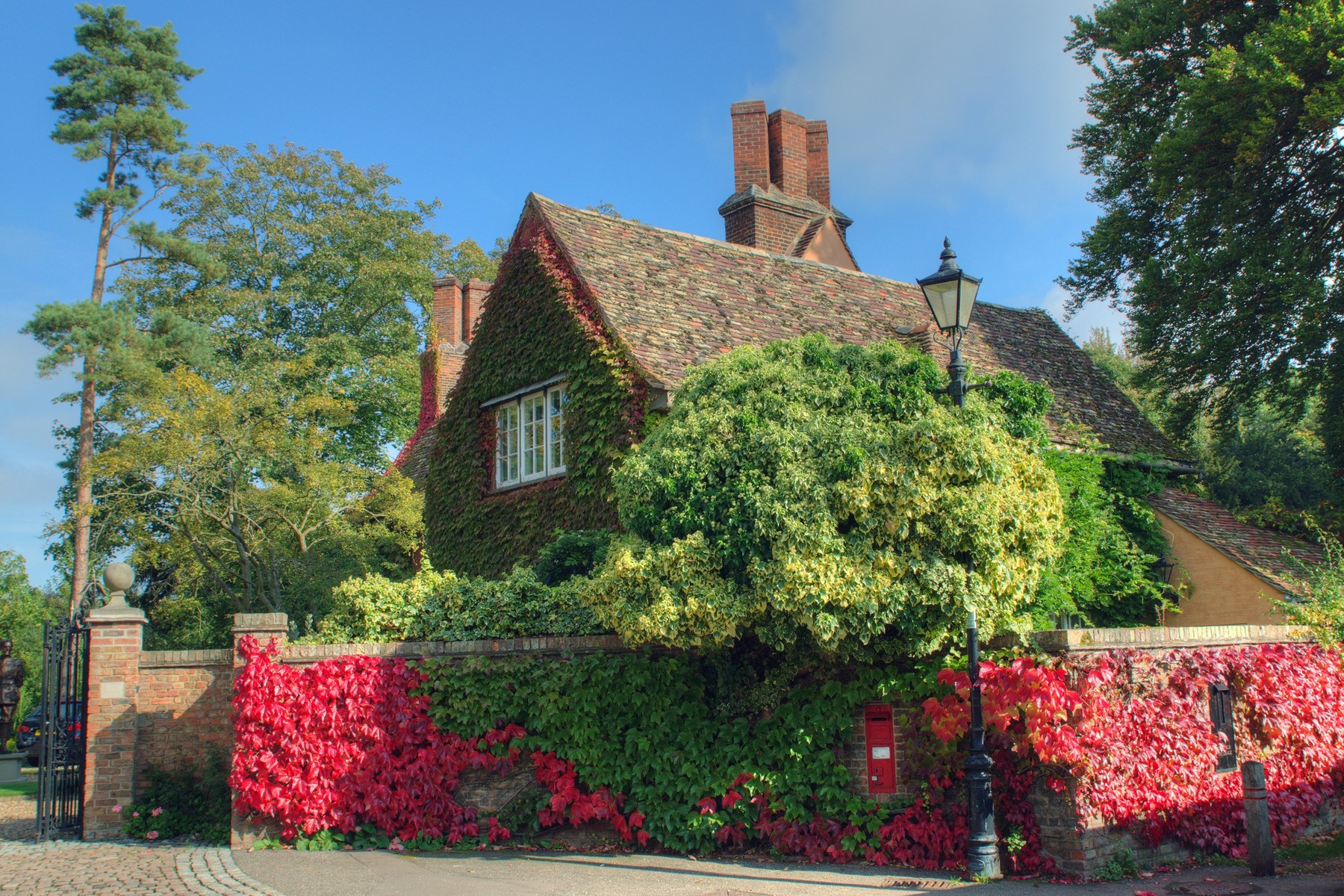
Queen Camilla, who had seen him at her Queen’s Reading Room Festival only weeks earlier, said that few authors live “a life as rich, varied and colourful as any of the characters in their books, or with as many surprising plot twists.” He was, she allowed, “not without flaw,” but friends would remember him as “an irrepressible life force.” He is survived by his wife, Dame Mary Archer, whom he married in 1966 and with whom he celebrated a 60th anniversary in Grantchester this year, their sons, James and William, and five grandchildren.
A word from the desk
Literary critics were never quite sure what to do with Jeffrey Archer, and readers never much cared. He wrote stories you could not put down, he sold them like a market trader, and he kept at it until the very last weekend. There is something rather wonderful about a man taking a final bow in the West End on Sunday and leaving the next chapter to the rest of us. If you are reaching for something to read over Remembrance weekend, you could do a great deal worse.
News Editorial Desk, Pine Tree Shilling Publishing