
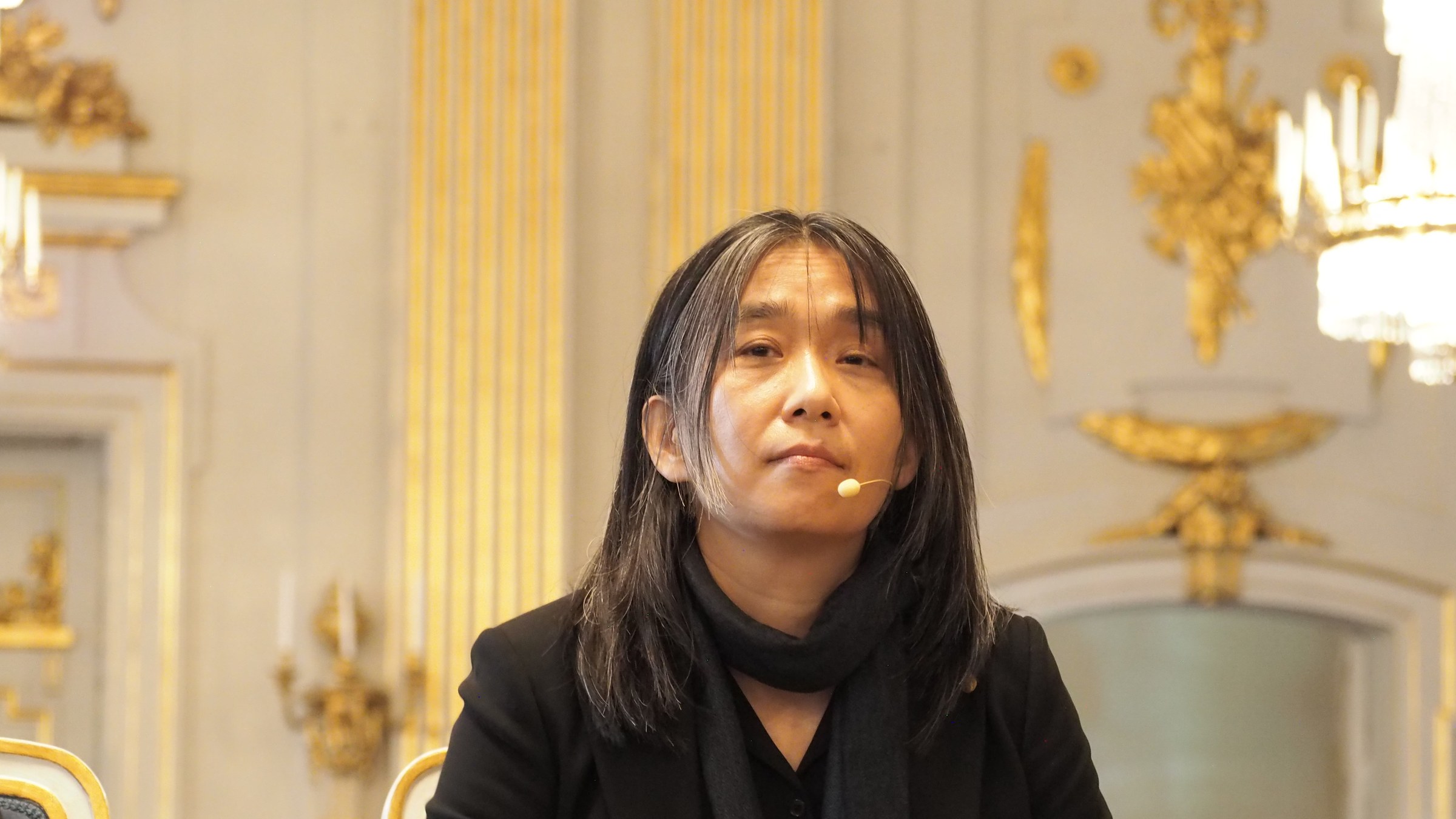
Prize juries come in many shapes: novelists, booksellers, the occasional celebrity. The National Book Critics Circle is the odd one out, because its winners are chosen entirely by critics and review editors, the people who read books for a living and are paid to say what they think of them. On Thursday, March 26, at the New School in New York, they gave their fiction award to the Nobel laureate Han Kang for We Do Not Part, translated from the Korean by e. yaewon and Paige Aniyah Morris.
The novel returns to the uprising on Jeju island in 1948 and 1949, when thousands of people were killed, and the long silence that followed. Heather Scott Partington, who chaired the fiction committee, called it “a work of blinding melancholy, bleak weather, and murmuring syntax,” a description we should very much like to have written ourselves. According to The New York Times, it is only the third translated novel to win the fiction prize in the awards’ 51 years, and the first since Roberto Bolaño’s 2666 in 2008. Han was not in the room. Her editor at Hogarth, David Ebershoff, accepted on her behalf, and her prepared remarks noted that the book had taken her seven years to write.
Inside the machine
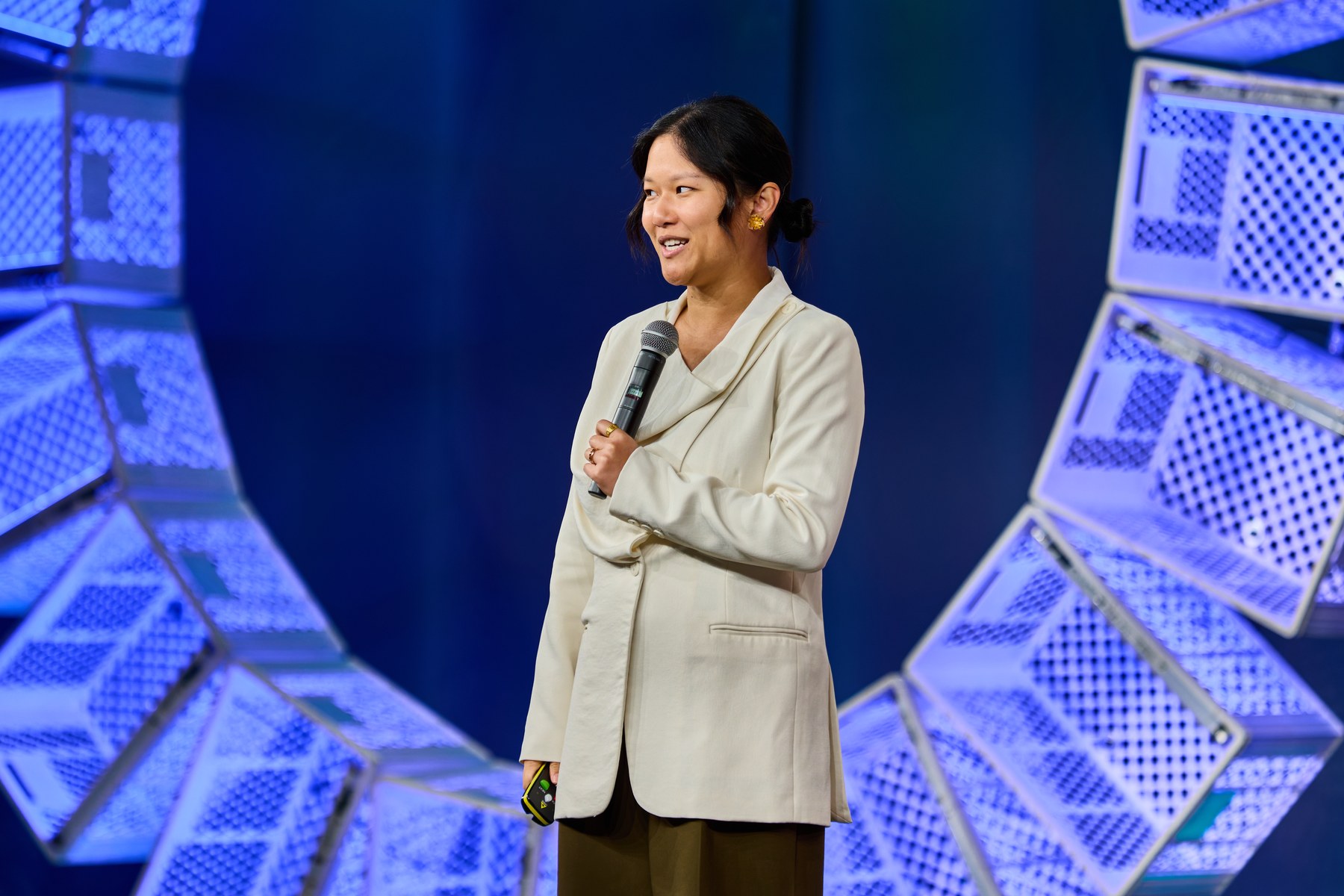
The nonfiction award went to Karen Hao for Empire of AI: Dreams and Nightmares in Sam Altman’s OpenAI, her reported history of the company behind ChatGPT. The committee chair, Christoph Irmscher, called it “a gripping tale in which there are no heroes, not even tragic ones.” In a video message, Hao said she was disturbed by how much more relevant the book’s themes had become since publication, but insisted “it’s not the time to despair.” Celebrating the written word, she said, is “one radical act of resistance.”
“A work of blinding melancholy, bleak weather, and murmuring syntax”
The rest of the evening
Arundhati Roy won the autobiography award for Mother Mary Comes to Me, her memoir of her formidable mother. Her publisher, Nan Graham of Scribner, accepted it for her. Alex Green took biography for A Perfect Turmoil, about Walter E. Fernald and the treatment of disabled Americans, and gave one of the night’s warmest speeches, borrowing a poet’s line that “the conversation of poetry is poetry” and crediting the Circle with keeping literature’s conversation going. Quinn Slobodian won criticism for Hayek’s Bastards, and Kevin Young won poetry for Night Watch.
Neige Sinno’s Sad Tiger, an account of the abuse she suffered as a child, translated from the French by Natasha Lehrer, won the Gregg Barrios prize for translation, and Nicholas Boggs took the John Leonard Prize for the best first book with Baldwin: A Love Story. The lifetime achievement award went to Frances FitzGerald, whose Fire in the Lake (1972) was one of the first serious American books about the war in Vietnam. NPR and PBS shared the Toni Morrison Achievement Award, and the service award went to Elizabeth Taylor, the longtime literary editor of the Chicago Tribune. Not that one, as the trade press could not resist pointing out.
The Circle’s president, Adam Dalva, opened the night in a defiant mood, saying that “the very concept of the free press is under attack,” and that critics must “never be afraid to voice their opinions, even in these turbulent times.” Honoring public radio and public television in the same breath made the point rather well.
A word from the desk
A list chosen by critics tends to be serious, and this one is: grief, power, memory and abuse. But it is also an excellent reading list, and when the professionals agree on a translated Korean novel and a book about artificial intelligence, the rest of us might do well to listen.
News Editorial Desk, Pine Tree Shilling Publishing