
The fiction prize tends to take the headlines, and this year it went, rather gloriously, to a novel written in one sentence. But the Pulitzer Board handed out four more book prizes on Monday, May 4, and taken together they make a better reading list than most of the ones you will be offered this summer. A historian on the Constitution, a biographer on two sisters of the Revolution, a novelist writing about the worst thing that can happen to a parent, and a poet asking what poetry is still for.
History: Jill Lepore
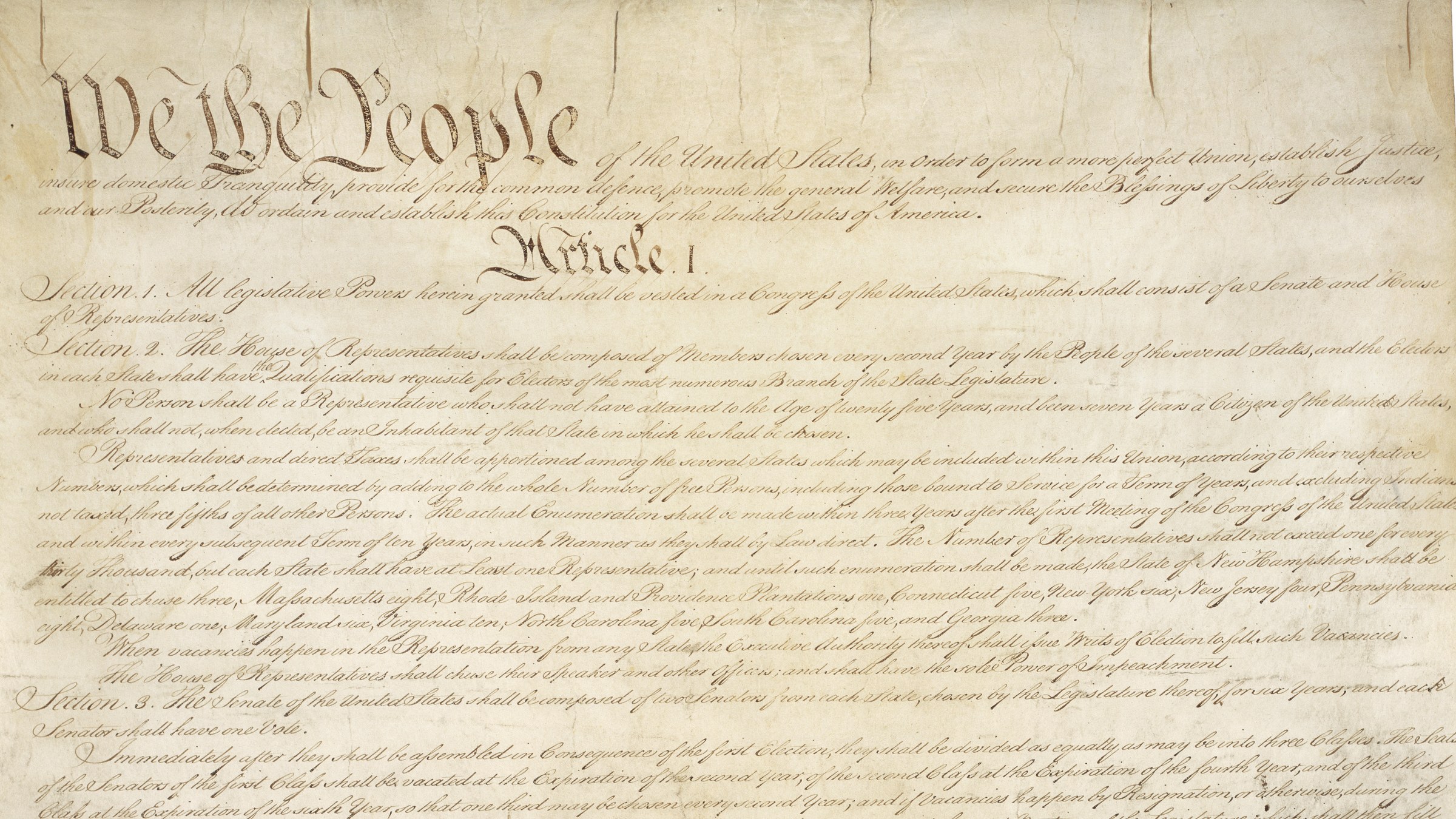
The history prize went to Jill Lepore for We the People: A History of the U.S. Constitution, published by Liveright. The Board called it “a lively and engaging narrative that investigates why the Constitution is so difficult to amend, including a review of noteworthy failed amendments proposed by marginalized groups.”
Lepore teaches history at Harvard and law at Harvard Law School, and writes for The New Yorker. Remarkably, this is her first Pulitzer. Asked by the Harvard Gazette how she had marked the occasion, she was disarmingly plain about it. “I stacked some wood yesterday,” she said. “That was my celebration. I took a break from writing.”
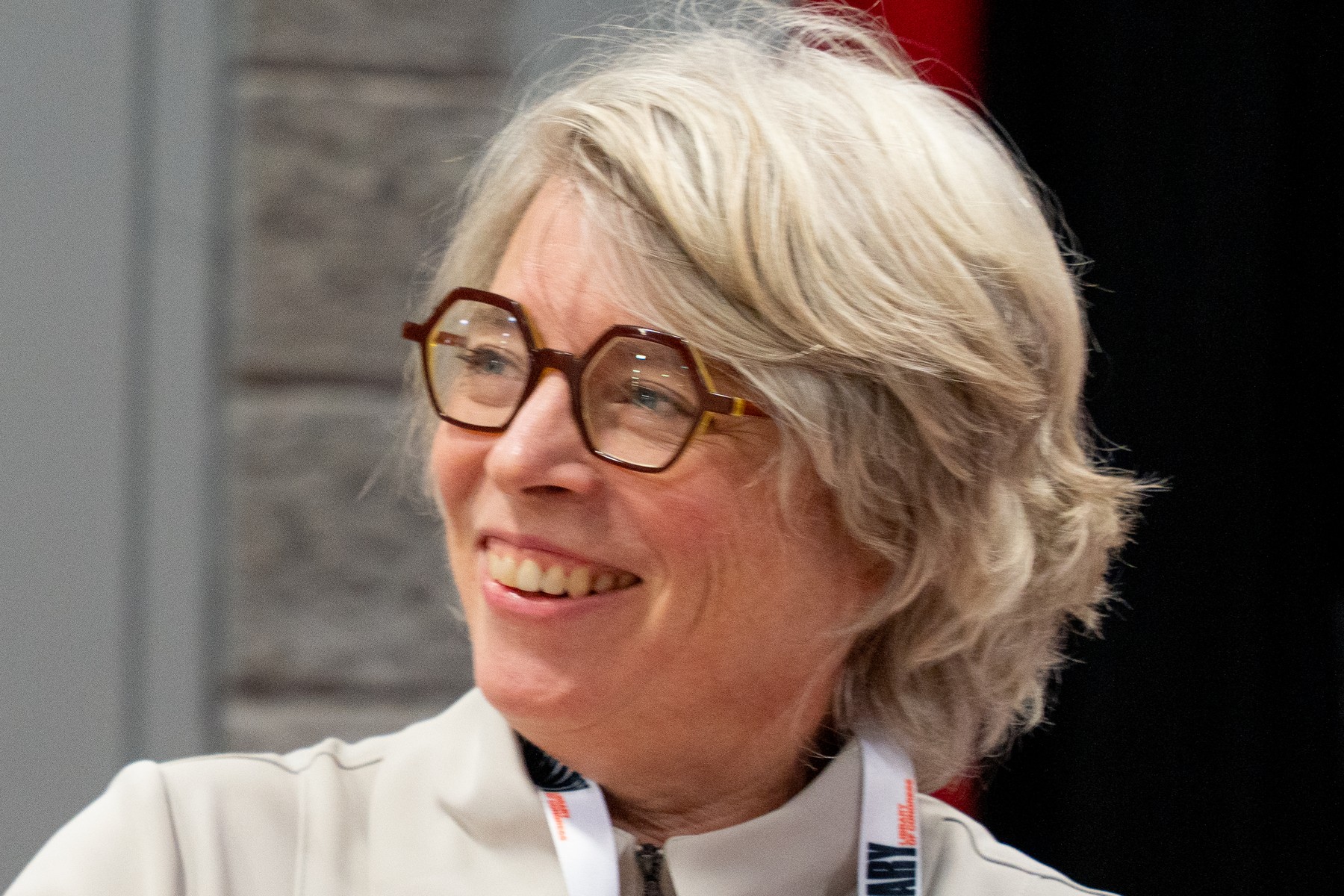
The question at the heart of the book is a simple one. Why do Americans amend their state constitutions all the time, and the federal one almost never? Her answer, broadly, is that when the people stop changing the document, the courts do it for them. With the 250th anniversary of independence falling this July, the timing was not an accident.
Biography: Amanda Vaill
Many readers know the Schuyler sisters from a Broadway musical. Amanda Vaill would like them to know rather more. Pride and Pleasure: The Schuyler Sisters in an Age of Revolution, from Farrar, Straus and Giroux, follows Angelica and Elizabeth Schuyler, daughters of a great Hudson Valley family. Angelica moved in the company of Franklin and Jefferson. Elizabeth married a penniless young officer called Alexander Hamilton.
The Board singled out her method, telling the sisters’ story in the present tense and the war around them in the past. Vaill, for her part, borrowed a line from her own subject. “To borrow from one of my subjects, Angelica Schuyler Church,” she said, “I’m overcome with pride and pleasure at this completely unexpected honor.” It is hard to improve on that.
Memoir: Yiyun Li
The memoir prize went to Yiyun Li for Things in Nature Merely Grow, also from Farrar, Straus and Giroux. It is her account of losing her younger son, James, to suicide in 2024, a little more than six years after his older brother died the same way. The Board called it “an austere and defiant memoir of acceptance that focuses on facts, language and the persistence of life.”
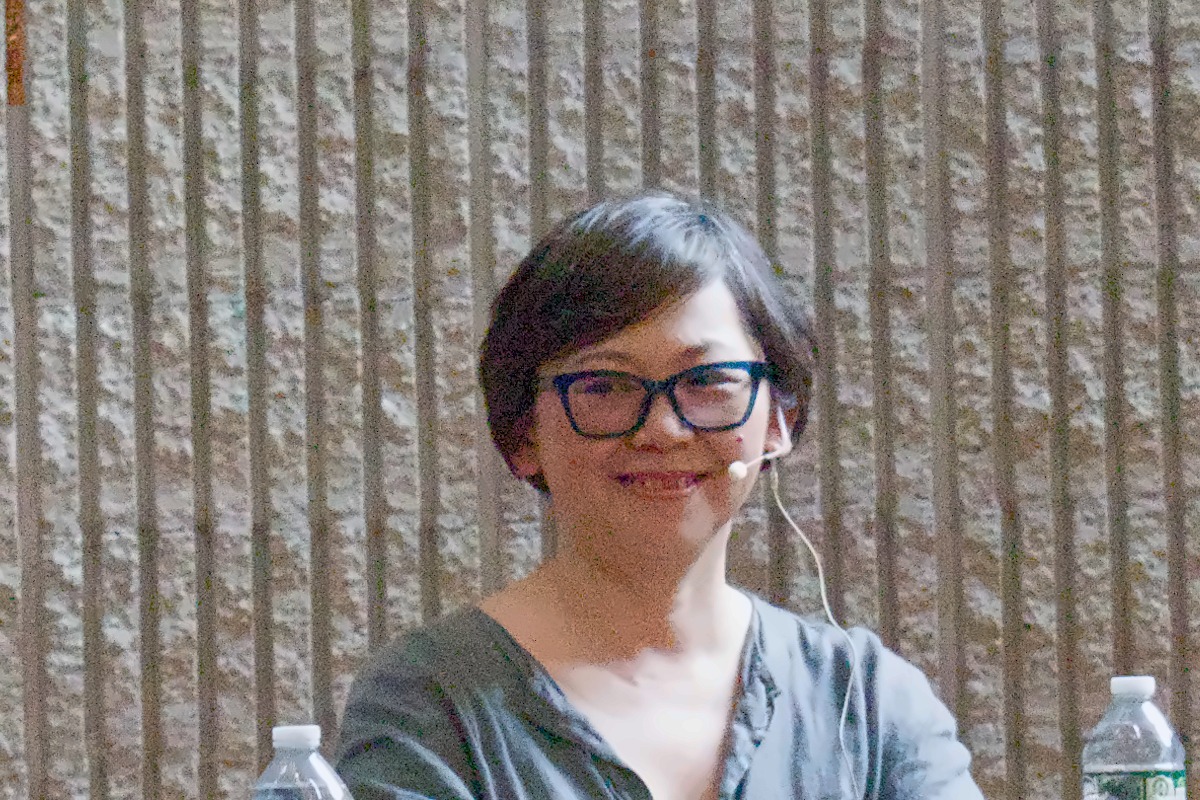
It is not a book about grief, or at least Li would rather you did not call it that. She has said she prefers the word abyss, and that the real question is how one lives in it. The garden of the title is not offered as a symbol of renewal either. Things grow, the book suggests, without any meaning attached. Li, who teaches at Princeton and was a fiction finalist two years ago for Wednesday’s Child, called the prize “a bittersweet honor.”
“The book was written because I hold my faith in language, in thinking, and in carrying on, despite the difficulties”
Poetry: Juliana Spahr
Juliana Spahr won the poetry prize for Ars Poeticas, a slim collection of 74 pages from Wesleyan University Press. The title nods to Horace and to the long habit poets have of writing about how poetry ought to be written. Spahr turns that habit on herself. The Board described a poet who “takes stock of her personal disillusionment, which she uses to interrogate her relationship to her art form, community and politics.”
Her territory is climate, populism and the nuclear age, but she is not above a joke at her own trade’s expense. In one poem she writes that she once thought there were two sorts of poets: poets who write “the terrible nation into existence” and poets “screwing around doing something else.” Spahr teaches at Mills College at Northeastern University.
And the rest of the list
For completeness: the general nonfiction prize went to Brian Goldstone for There Is No Place for Us: Working and Homeless in America (Crown), and the drama prize to Bess Wohl for Liberation, a play about the consciousness-raising groups of the 1970s. Each book prize carries $15,000.
A word from the desk
If there is a thread here, it is that every one of these writers went back to the record, whether a constitution, a family’s letters or a mother’s own memory, and refused to tidy it up. That is not a bad lesson for a year of anniversaries. We would start with Lepore, keep Vaill for the long evenings, and give Li the quiet afternoon she deserves.
News Editorial Desk, Pine Tree Shilling Publishing