
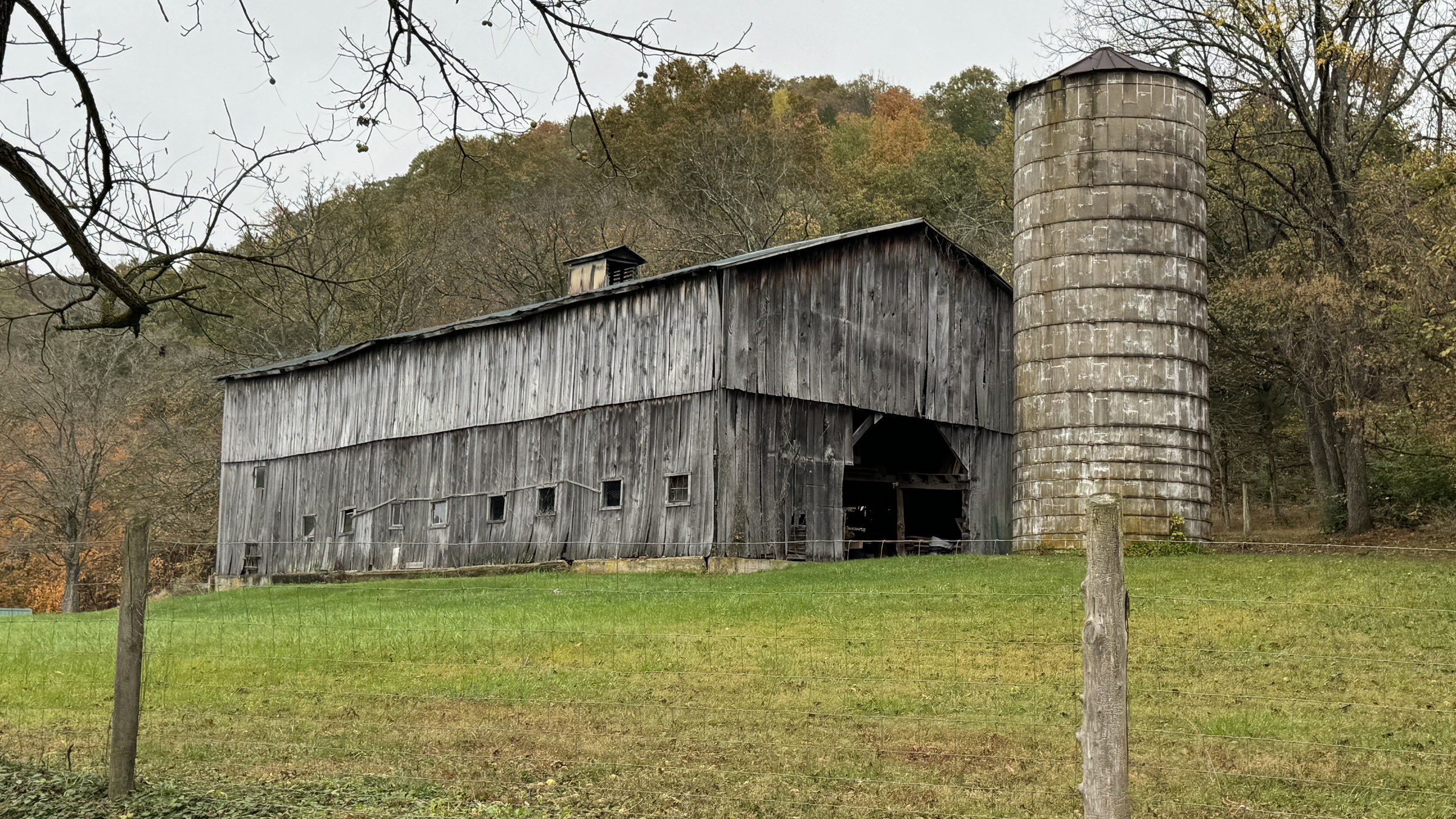
Wendell Berry wrote with a pencil, by daylight, in a two-room cabin on the Kentucky River that had no electric light, because he would not use power from strip-mined coal. His wife, Tanya, typed up the pages on an old Royal typewriter. He never owned a computer or a television. On August 31 he died at home in Port Royal, Kentucky, at 92, and on October 27 his publisher Counterpoint brought out the book he had been working on, Dispatches from Rural America: Sixteen Essays.
It is a slim book, 240 pages, and it reads like a farmer’s last walk around the fence line. It opens with an essay called “Against Killing Children” and closes with “The Story of Our Sheep Flock,” about the years he and Tanya spent learning to raise animals on their hillside farm. In between, he takes on war, guns, Walmart, the way cities caricature the country, and what he calls, without much patience, industrialism. His daughter, Mary Berry, told the Los Angeles Times that until about six months before he died he was still writing regularly at the cabin he called “camp.”
“Because of industrialism, there are now millions of people who have never heard silence or seen anything beautiful”
A Kentucky life
Berry was born in Louisville on August 5, 1934, the eldest of four children of a lawyer and tobacco farmer whose family had farmed in Henry County for generations. He studied at the University of Kentucky and then at Stanford under Wallace Stegner, taught in New York, and seemed set for a literary career in the city. Then, around 30, he came home. In 1964 he and Tanya bought a 125-acre farm called Lanes Landing near Port Royal, and for the next six decades they raised sheep, worked the fields with horses, and kept a garden for their own table.
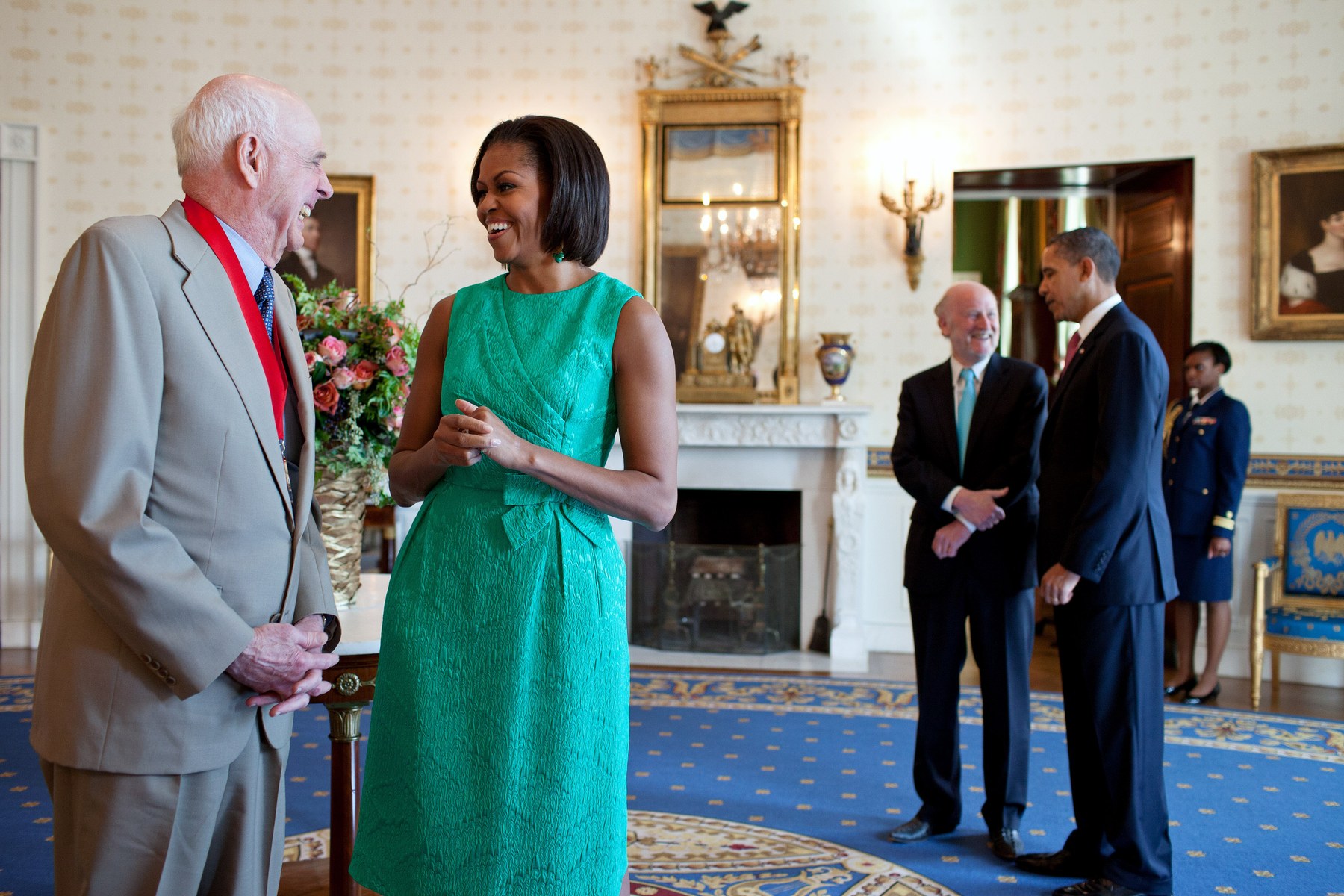
From there came more than 50 books of poems, novels, stories and essays. The Unsettling of America (1977) took on agribusiness and is still read as a founding text of the sustainable farming movement. His Port William novels and stories followed one invented Kentucky town through generations of births, marriages, feuds and funerals. He received the National Humanities Medal at the White House in 2011, and the National Book Critics Circle gave him its lifetime achievement award in 2016.
He never fit neatly into anyone’s politics. He called himself a conservative, in the sense of conserving land and neighbors, and he marched against mountaintop-removal mining and the death penalty. Reviewing the new book in The Wall Street Journal, Danny Heitman wrote that Berry reminds “both liberals and conservatives that neither camp has a monopoly on truth.” The book also comes out just ahead of the 50th anniversary of The Unsettling of America, which Counterpoint reissued in a new edition in August.
He is survived by Tanya, his wife of nearly 70 years, their daughter, Mary, who runs the Berry Center in nearby New Castle, their son, Pryor, five grandchildren and four great-grandchildren. At his funeral the family read one of the last poems he wrote, “The Loved One.” It ends: “They live now in the permanent world. We are the absent ones.”
A word from the desk
There is something very fitting about a man who spent his life telling us to slow down and stay put having one more book in the barn when he went. We have all been told that the future belongs to faster machines and bigger operations. Berry spent 60 years quietly disagreeing, by hand, from one farm in one county, and somehow the whole country heard him. If you buy one book this fall, it might be worth making it this one, and reading it slowly, preferably by daylight.
News Editorial Desk, Pine Tree Shilling Publishing