
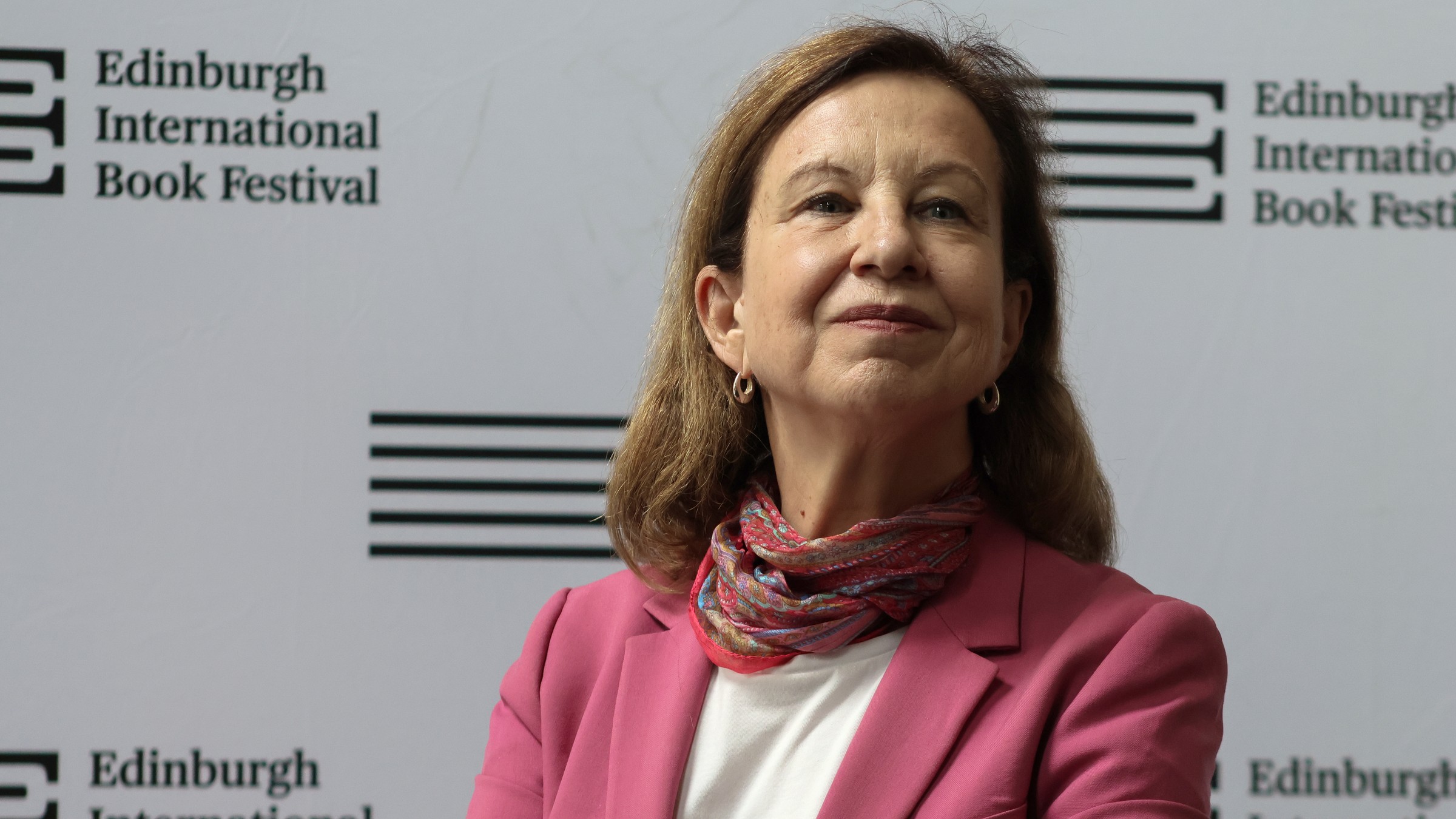
Before The Correspondent, Virginia Evans had written seven novels, and not one of them had been published. On the evening of Thursday, June 11, in the gardens of Bedford Square in London, the former Australian prime minister Julia Gillard handed her the 2026 Women’s Prize for Fiction. Asked by the Associated Press why she had kept going through all those years of rejection, Evans gave the most honest answer a writer can: “I didn’t know how not to, I guess.”
The same evening, the Women’s Prize for Non-Fiction went to Lyse Doucet, the BBC’s chief international correspondent, for The Finest Hotel in Kabul: A People’s History of Afghanistan. Both books are debuts. Each winner receives £30,000 and a small sculpture: for fiction a bronze statuette known as the Bessie, made by the late artist Grizel Niven, and for non-fiction one called the Charlotte.
A life in letters
The Correspondent is told entirely in letters, written by Sybil Van Antwerp, a 73-year-old retired lawyer, to her brother, her friends, the university that will not let her into a class, and the authors whose books she has opinions about. There is also one letter she keeps writing and never sends. Gillard called it “a remarkable novel, with an exemplary combination of originality, excellence and accessibility,” and said it had “captured our hearts.”
The book came out quietly in the spring of 2025 and was found, in the old-fashioned way, by readers who told other readers. It became a book club favorite, spent months on The New York Times bestseller list and won the PEN/Hemingway Award. A film starring Jane Fonda is in the works. Evans, who lives in North Carolina, once sold her house to take her young family to Dublin so she could study creative writing at Trinity College, which in hindsight looks like rather a good investment.
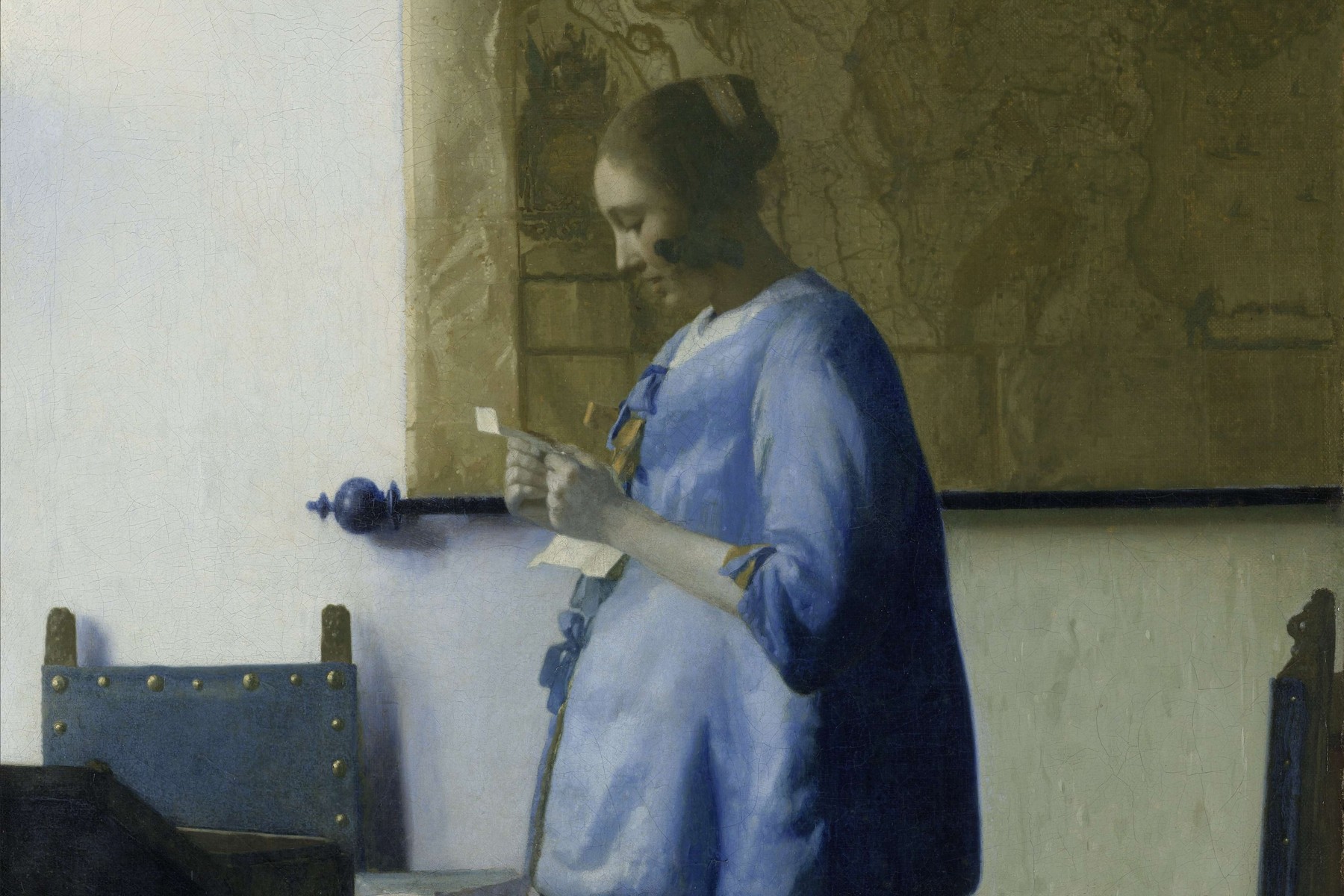
Evans told the AP that the novel is partly a cry against the loss of the handwritten letter, which she called “the real tale of history.” If you want to know what happened somewhere, she said, “you need to read somebody saying to their mom, ‘This is what happened to me today.’” We find it hard to disagree, and we say so as people who now mostly write to each other in emails.
“Why did I keep going? I didn’t know how not to, I guess”
Her competition was strong, and largely new. Four of the six shortlisted novels were debuts: Addie E. Citchens’ Dominion, set around a powerful preacher in Mississippi, Marcia Hutchinson’s The Mercy Step, about a girl growing up in 1960s Bradford, and Rozie Kelly’s Kingfisher, as well as Evans’ own. Susan Choi’s Flashlight and Lily King’s Heart the Lover completed the list.
The view from one hotel
Doucet has been reporting from Afghanistan since the 1980s. Her book places the Inter-Continental Hotel in Kabul, once glamorous and now scarred but still standing, at the center of the country’s recent history, and tells it through the people who worked and stayed there. Thangam Debbonaire, who chaired the non-fiction judges, called it “a perfect work of narrative non-fiction.” Doucet said she wanted to give a fuller picture than the “snapshot” that news allows, and that even in the darkest places, people “find an everyday courage to get through the day.”
The fiction prize was founded in 1996, and its past winners include Zadie Smith, Barbara Kingsolver and Tayari Jones. The non-fiction prize is only in its third year. It was created in 2024 to correct a stubborn imbalance: in 2022, only about a quarter of the non-fiction books reviewed in British newspapers were by women.
A word from the desk
Two first books, both about people who keep going when they might reasonably stop. It would be hard to ask for a better pair of winners, and we suspect a great many letters will be written this summer as a result.
News Editorial Desk, Pine Tree Shilling Publishing