
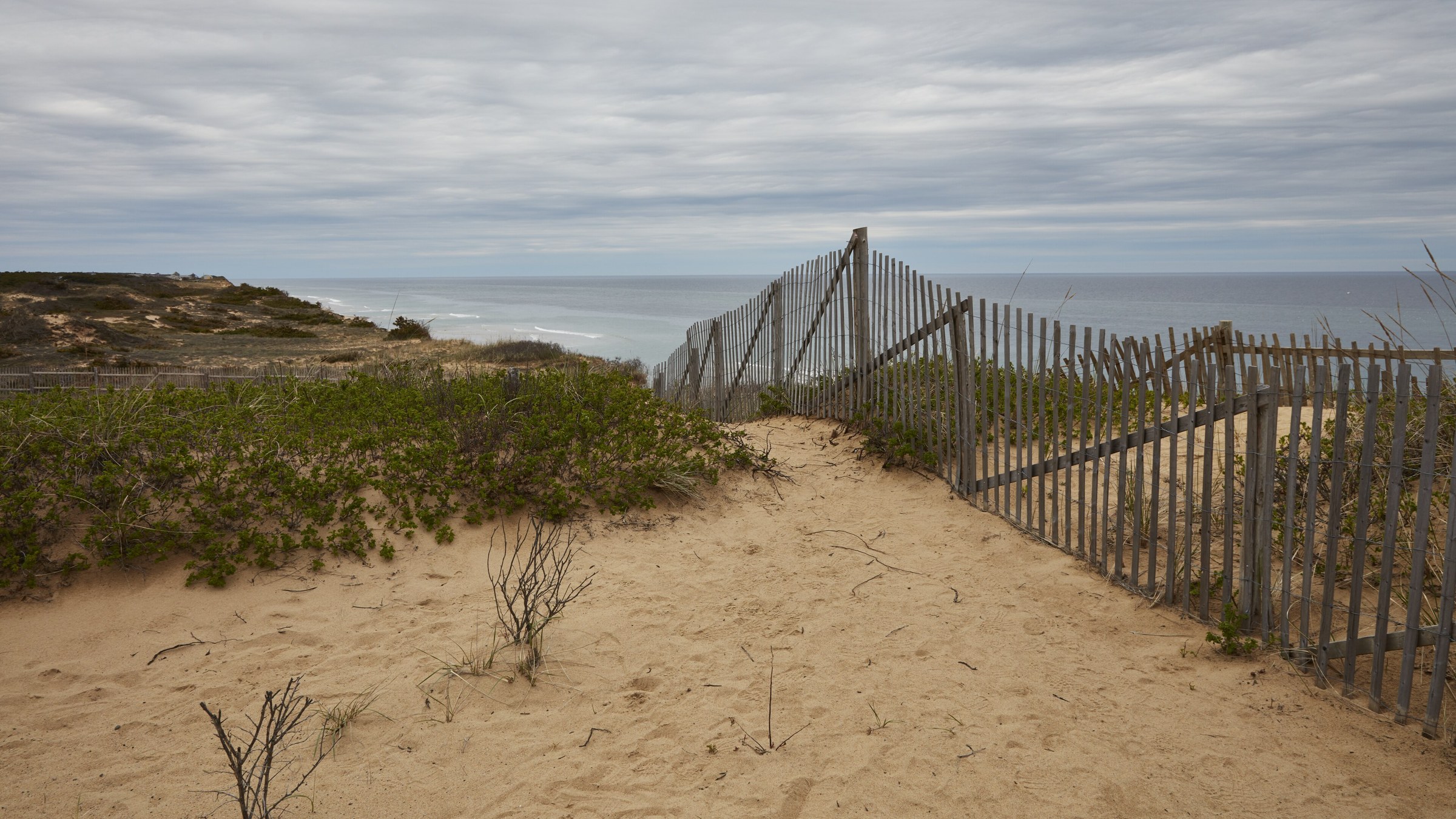
Annie Dillard spent her life looking hard at small things and writing down exactly what she saw, and for half a century readers looked along with her. She died on September 15 at her home on Pleasant Point in South Wellfleet, on the bay side of Cape Cod, at 81. Her family kept the services private. But a wider goodbye is now in the works: several of her former students at Wesleyan University, where she taught from 1979 to 2001, are planning an East Coast memorial for later this winter, and the university has promised to share details once a date is fixed.
It comes in a strange season for American letters. Dillard died barely two weeks after Wendell Berry, and the two were often read side by side, the Kentucky farmer and the young woman in the Virginia woods, both insisting that the world outside the window deserved our full attention. Margaret Atwood called her “a luminous, unique person,” which is about as good a summary as anyone has managed.
A creek in Virginia
She was born Meta Ann Doak in Pittsburgh on April 30, 1945, and wrote about that city with real tenderness in An American Childhood (1987). She went south to Hollins College near Roanoke, Virginia, wrote her master’s thesis on Thoreau’s Walden, and then did something rather like Thoreau herself. She spent a year walking, watching and taking notes along Tinker Creek in the Roanoke Valley. The result, Pilgrim at Tinker Creek, came out in 1974, when she was 28, and won the Pulitzer Prize for general nonfiction the following spring.
The book is not gentle. Readers still remember the frog she watched collapse, “deflating like a football,” as a giant water bug drained it from below. She looked at nature’s cruelty and its glory with the same steady eye, and she never pretended to know which one had the last word. Later came Holy the Firm (1977), the essay collection Teaching a Stone to Talk (1982), with its celebrated piece on a total eclipse, The Writing Life (1989), and two novels, The Living (1992) and The Maytrees (2007), the second set among the dunes and shacks around Provincetown.
“You must go at your life with a broadax”
Softball and seminars
Wesleyan got her almost by accident. Phyllis Rose, now a professor emerita there, recalls that Dillard first turned the job down, then changed her mind and talked the poet Mark Strand into giving up half his position to her. Students remember her as demanding and wildly generous at once. There was ping-pong in her living room, volleyball in the backyard and softball on Andrus Field, played so hard that, as Rose puts it, “her knees were shot much too early in life.” Rose says Dillard considered her years in Middletown “the happiest time of her life,” and she asked to be buried there, at Indian Hill Cemetery.
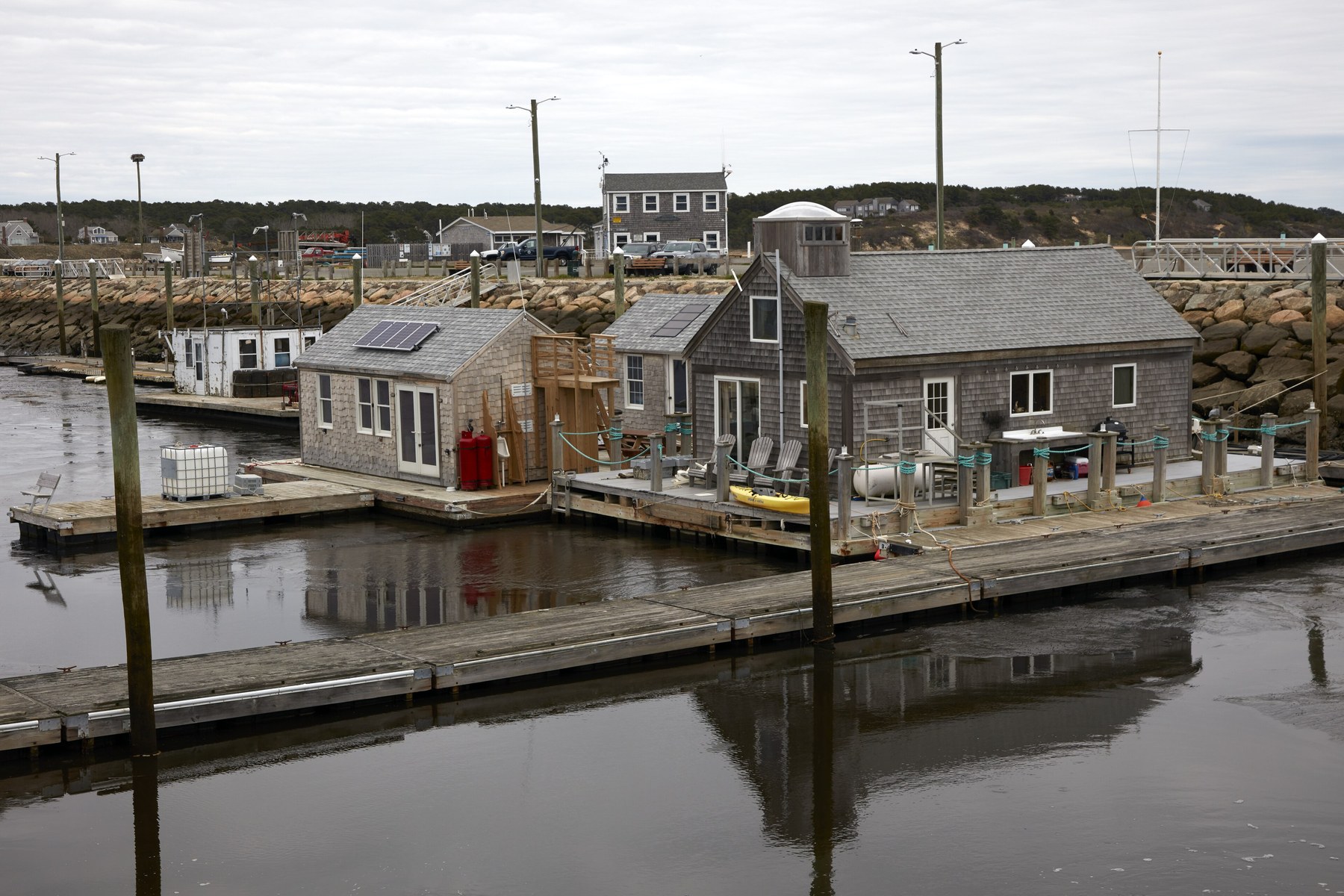
She and her second husband, Gary Clevidence, made a home in South Wellfleet in the 1980s, and the Cape became her anchor. Her third husband, the biographer Robert D. Richardson Jr., who wrote lives of Thoreau, Emerson and William James, first wrote to her as a fan. They married in 1988, and he died in 2020. In 2015, President Obama presented her with the National Humanities Medal at the White House, praising her for inviting readers “to stand humbly before the stark beauty of creation.” In her last years she gave up travel and book signings and stayed close to home.
She is survived by her child, the poet Cody-Rose Clevidence, four stepdaughters, Carin and Shelly Clevidence, Anne Richardson and Lissa Richardson Biddle, and two sisters, Amy Fields and Molly Simonds. Her literary executor, the writer Maggie Nelson, one of her Wesleyan students, has asked readers to pick up the books again, “be it for the first or the 100th time, and share in her amazement at being alive.”
A word from the desk
We are a Massachusetts house, so we will admit to a certain local pride that one of the great American noticers chose to spend her last decades on a quiet cove in Wellfleet. If you are on the Cape this winter, take a walk along the bay at low tide and look properly at something, a heron, a crab, the light on the flats. That is the whole lesson, really, and she taught it better than anyone. And if you have never read Pilgrim at Tinker Creek, there is no better time to start.
News Editorial Desk, Pine Tree Shilling Publishing