
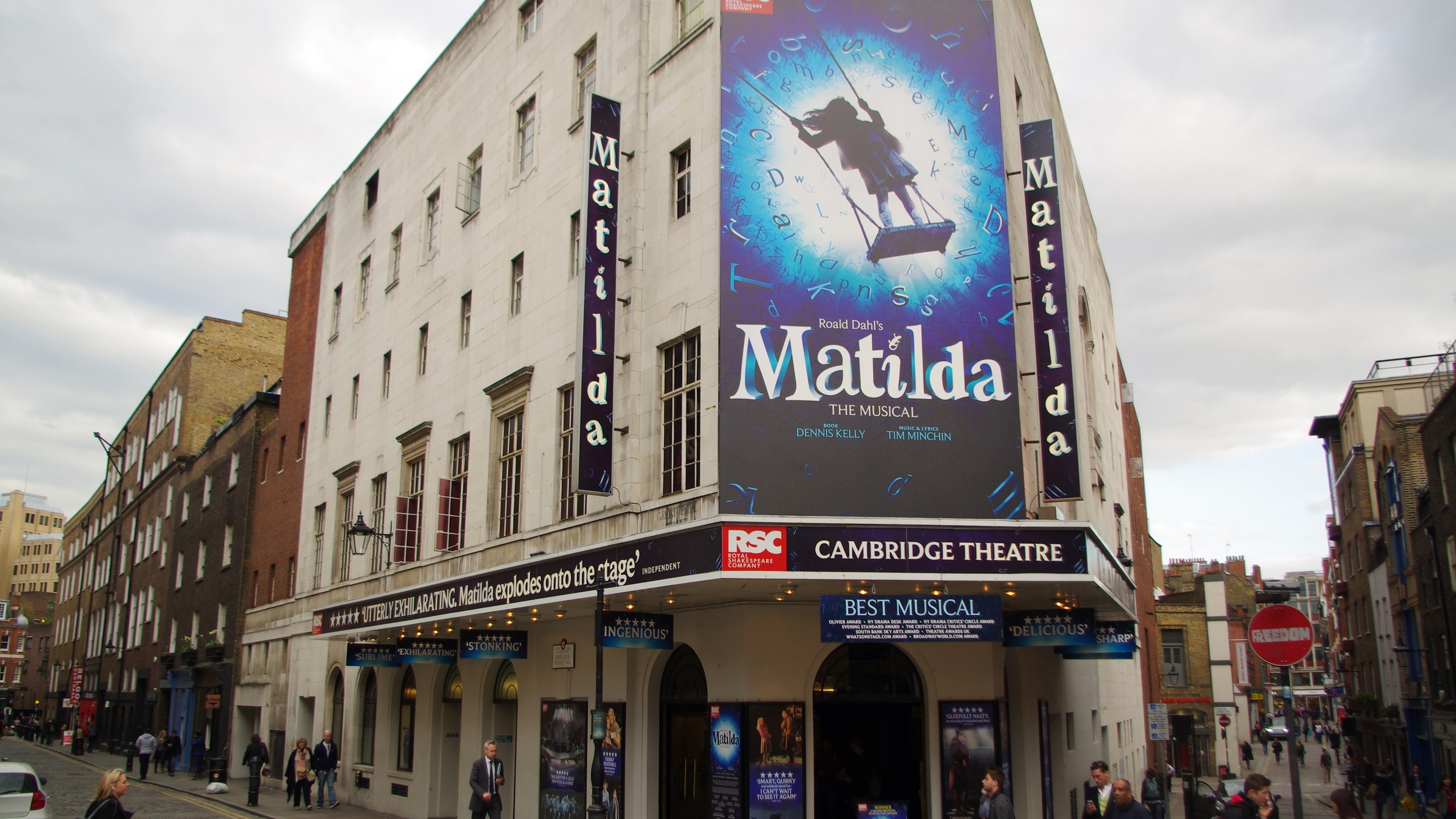
There are worse places to give a prize for children’s books than the theatre where Matilda has been outwitting grown-ups for 15 years. On Tuesday, June 23, in front of more than 600 young people at the Cambridge Theatre in London’s West End, the Carnegie Medal for Writing went to a first-time novelist. Beth O’Brien won for Wolf Siren (HarperCollins Children’s Books), a feminist retelling of Red Riding Hood, and took the Shadowers’ Choice Medal, voted for by young readers, on the same night.
The Carnegies are the oldest children’s book awards in Britain. The writing medal dates from 1936 and is named for the Scottish-born philanthropist Andrew Carnegie, and the winners are chosen by children’s librarians alone: this year 14 volunteer judges from the Youth Libraries Group of CILIP, the library association, led by Stella Hine. The two medal winners each receive £5,000. O’Brien beat a shortlist heavy with established names, among them Patrick Ness, Jason Reynolds and Katya Balen.
Red, and the woods
In Wolf Siren, Red is forbidden to go into the woods, where her grandmother vanished three years ago. When the woodcutter fails to come home and wolves are seen near the village, fear turns the villagers against the forest, and Red, who has a secret of her own, seems to hold the key. O’Brien was born visually impaired and wanted to write a heroine whose disability is neither cured nor turned into a superpower. She is working on a PhD about exactly that, the way disability is misused in modern fairy tale retellings, and has published four books of poetry for adults.
Hine called the novel “a wonderful fairy tale for our times where hope triumphs over despair and justice over apathy.” O’Brien said she was “beyond stunned and delighted.”
“It is beyond the wildest hopes I ever had for this story”
Pictures that wiggle
The Carnegie Medal for Illustration, previously known as the Kate Greenaway Medal, went to Kate Rolfe for Wiggling Words (Two Hoots), a picture book about what it is like to learn to read with dyslexia. Rolfe, who lives in Suffolk, is dyslexic herself, and she uses playful typography and her trademark cyanotype prints to show words piling up into mountains and walls. The judges liked that the book does not end with dyslexia beaten, but with a child who finds a way through. “I absolutely LOVE books,” Rolfe said, “but reading isn’t easy for me.”
The young shadowers gave their illustration medal to Aimée de Jongh for her graphic novel of Lord of the Flies, the novel by William Golding, who won the Booker in 1980 and the Nobel Prize in 1983.
A new laureate
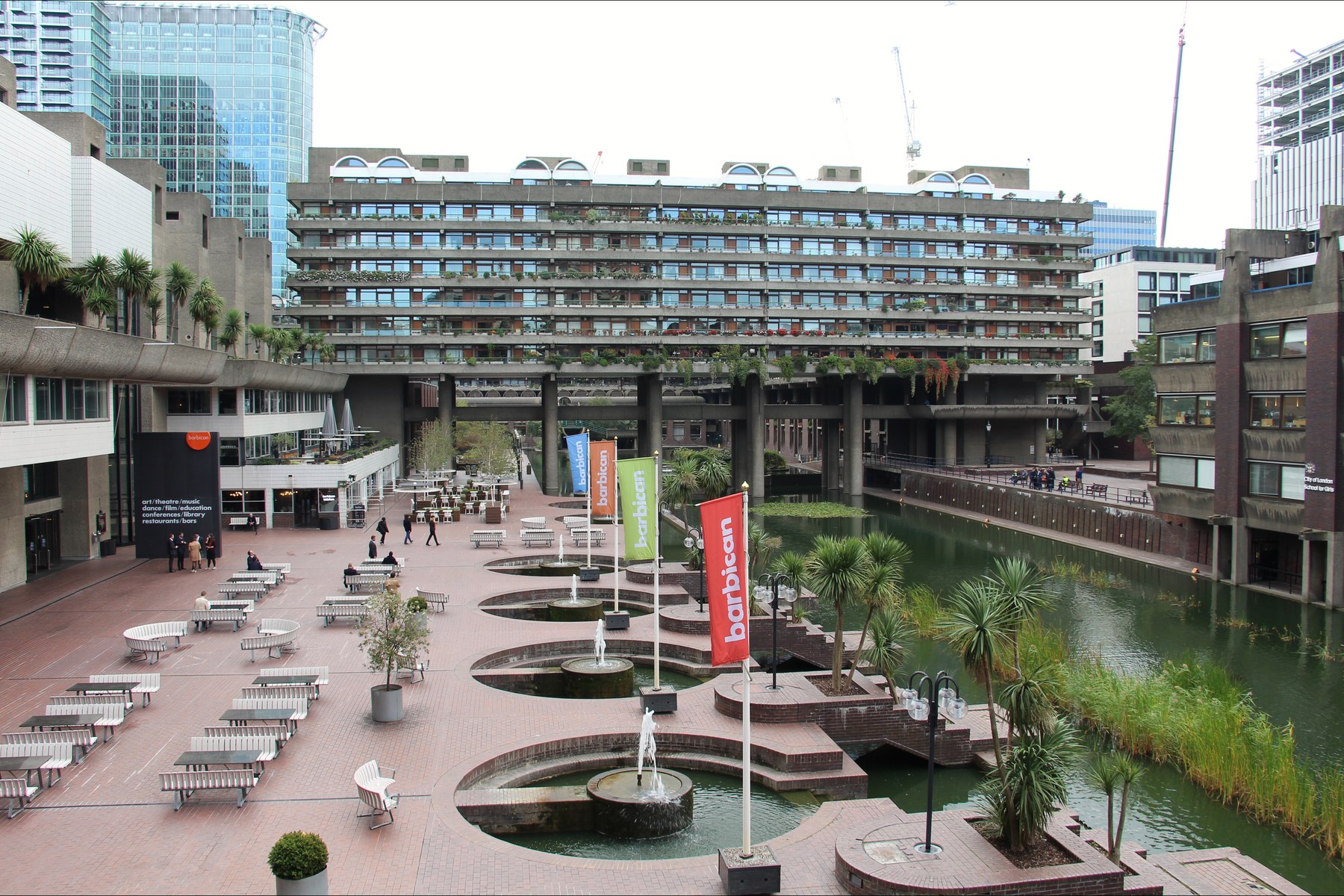
Two weeks later, on Tuesday, July 7, the children’s book world gathered again, this time at the Barbican Centre, where Patrice Lawrence was named Waterstones Children’s Laureate for 2026 to 2028. Frank Cottrell-Boyce, the outgoing laureate, handed her the silver medal that comes with the post. She is the 14th writer to hold it since Quentin Blake in 1999. The role is run by BookTrust, the children’s reading charity, and sponsored by Waterstones.
Lawrence made her name with Orangeboy in 2016, a thriller about a 16-year-old boy hunted by gangs that won the YA Book Prize, and has since published 16 books. She plans to champion reading together, in families and communities. “My aim is to create a national conversation that champions the benefits of shared reading and sociable reading experiences,” she said. She has her work cut out. A National Literacy Trust survey taken early this year found that only 36.1% of British eight- to 18-year-olds enjoy reading in their free time, a slight rise on 2025, which was the lowest point since its survey began in 2005. Both ceremonies fell in the government’s National Year of Reading.
A word from the desk
We rather like a year in which the librarians and the children agree. O’Brien grew up borrowing audio and large print books from her local library, and now a jury of librarians has handed her their oldest medal. With fewer children reading for fun than a generation ago, a new laureate who wants everyone to read together, and a winner who wants every reader let in, feel like the right people for the job.
News Editorial Desk, Pine Tree Shilling Publishing